The Difference Between Blinds, Shades and Shutters

Need help with window treatments? You’re not alone. Many struggle to distinguish between blinds, shades, and shutters, leading to uninformed choices and mismatched decor. With clarity, you can save time and money on solutions that don’t suit your needs or style.
Imagine investing in blinds when what you wanted were shutters. Picture the frustration of battling sunlight with inadequate shades. Misunderstanding these options can leave your home feeling less comfortable and stylish than you’d hoped.
Let’s unravel the mystery. Discover the unique benefits of blinds, shades, and shutters to make an informed decision, ensuring your windows are functional and fashionable.
What Are Blinds?
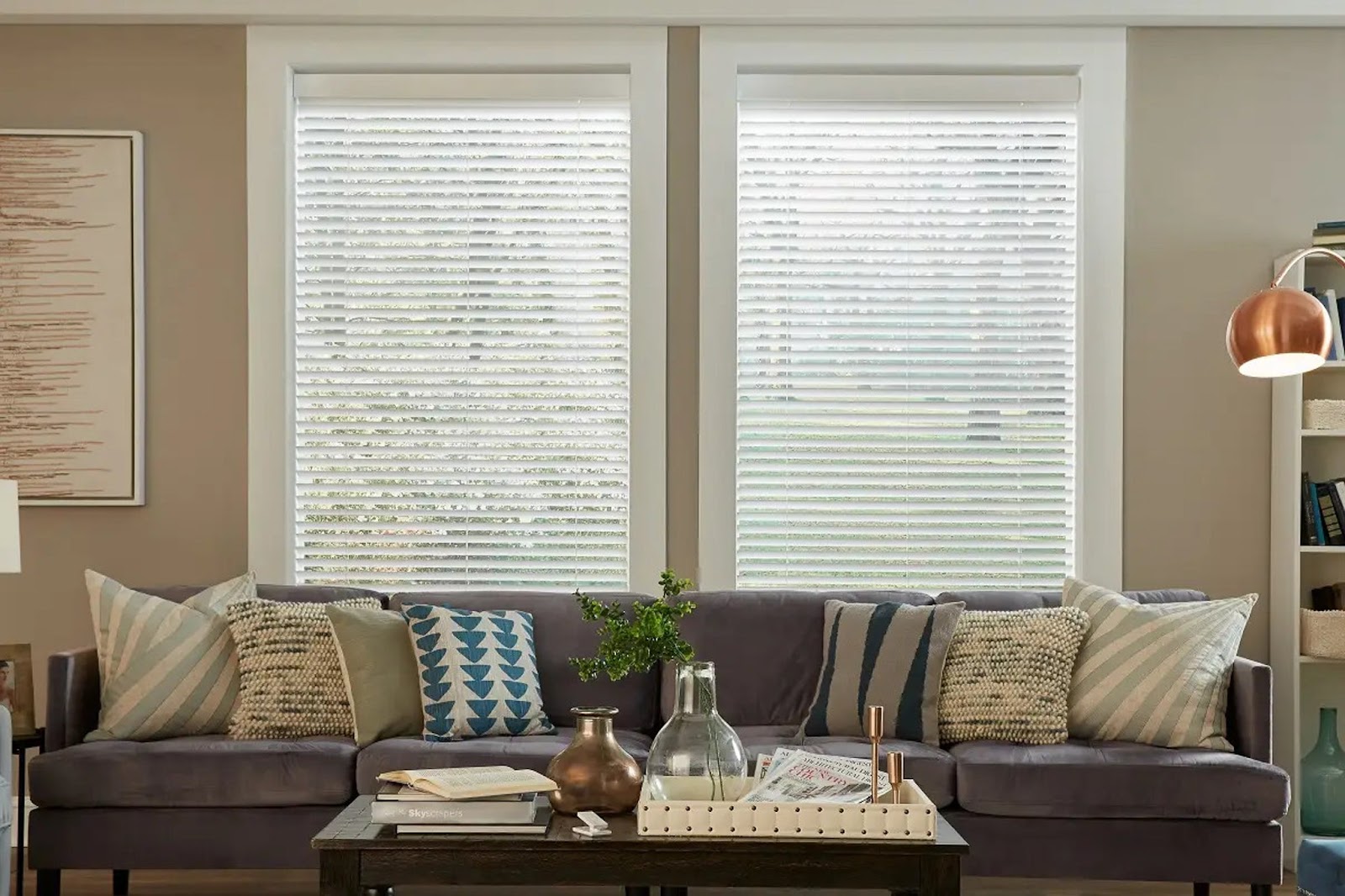
Blinds are window coverings made of slats or vanes that can be adjusted to control light and privacy levels.
Typically, they are constructed from materials like wood, faux wood, vinyl, or aluminium. The slats can be tilted open or closed using a cord mechanism or wand, allowing precise control over the light entering a room.
Types of blinds
Blinds encompass diverse styles, each boasting unique features tailored to specific preferences and requirements.
Here are the types of blinds;
- Venetian Blinds: Characterised by their horizontal slats, Venetian blinds offer a timeless aesthetic and practical light control. Crafted from wood, faux wood, aluminium, or PVC, they provide versatility in appearance and functionality. Wooden Venetian blinds, for example, lend a natural and warm ambience to spaces, while aluminium options offer durability and a sleek modern look.
- Vertical Blinds: Specifically designed for large windows or sliding doors, vertical blinds feature vanes that hang vertically from a track. This design allows for effortless light adjustment and easy access to windows or doors. Vertical blinds are popular in residential and commercial settings for their practicality and ability to complement various interior styles.
- Roller Blinds: With a streamlined design consisting of a single piece of fabric that rolls up or down, roller blinds offer simplicity and elegance. They come in various colours, patterns, and opacity levels, catering to diverse aesthetic preferences and providing privacy and light filtration options. Roller blinds are particularly favoured for their minimalist appearance and ease of maintenance.
- Roman Blinds: Incorporating fabric panels that fold up evenly when raised, Roman blinds add a touch of softness and sophistication to any space. They are an excellent choice for achieving a tailored and cosy atmosphere while offering effective light control and privacy. Roman blinds are available in various fabrics, from sheer to blackout, allowing for customisation to suit individual preferences and requirements.
Materials used in blinds
The choice of material plays a crucial role in blinds’ performance, durability, and aesthetics.
Here’s a breakdown of the most common materials used:
- Wood: Wooden blinds exude warmth and sophistication, making them famous for traditional and contemporary interiors. They offer natural insulation and can be crafted from various types of wood, including basswood, bamboo, and oak, each with unique grain patterns and finishes.
- Faux Wood: Designed to mimic the look of natural wood, faux wood blinds are an affordable and practical alternative. Made from PVC or composite materials, they are resistant to moisture and warping, making them suitable for areas with high humidity, such as kitchens and bathrooms.
- Aluminium: Aluminium blinds are lightweight, durable, and resistant to moisture and corrosion, making them an excellent choice for high-traffic areas and humid environments. They come in various colours and finishes, offering a sleek and modern appearance.
- Fabric: Fabric blinds, such as Roman and roller blinds, offer versatility in design and texture. They can be crafted from various fabrics, including cotton, polyester, and linen, providing light filtration, privacy, and decorative flair options.
Pros and cons of blinds
Blinds offer a variety of benefits, but they also come with their own set of drawbacks to consider:
PROSCONSLight Control: Blinds provide precise control over the amount of light entering a room, allowing you to adjust according to your preferences and needs throughout the day.Cleaning: Depending on the material and design, blinds can accumulate dust and require regular cleaning, which may be time-consuming and tedious.Privacy: Blinds offer excellent privacy, and because they can tilt or fully close the slats, they are ideal for bedrooms, bathrooms, and ground-floor windows.Limited Insulation: While some blinds offer insulation benefits, they may provide a different level of energy efficiency than thicker window treatments like curtains or shutters.Versatility: Available in various materials, styles, and colours, blinds can be tailored to complement any interior decor scheme, from modern to traditional.Mechanical Issues: Corded blinds may pose safety hazards, especially for households with young children or pets, and mechanical components like cords or wands may require maintenance over time.Durability: Materials like aluminium and faux wood make blinds durable and resistant to moisture, warping, and fading, ensuring longevity and easy maintenance.Limited Insulation: While some materials offer insulation benefits, blinds generally provide less thermal insulation than thicker window coverings like curtains or shutters.Customisable Light Levels: Blinds offer precise control over natural light, allowing you to adjust brightness levels according to your preferences and activities.Noise: Depending on the material and fit, blinds may allow more outside noise to penetrate the room than thicker window treatments.Space-Saving Design: Their compact nature and ability to fit closely to windows make blinds an excellent choice for smaller rooms or windows close to furniture.Modern Aesthetics: With sleek lines and various materials and finishes available, blinds can enhance the contemporary look of any room.
What Are Shades?

Shades are window coverings made from a single piece of fabric that can be raised or lowered to adjust light levels and provide privacy.
Unlike blinds, which feature slats or vanes, shades offer a seamless and uninterrupted look when fully extended.
They come in various styles, including roller, Roman, and cellular, each offering unique benefits.
Types of shades
Shades come in various styles, each offering unique features to cater to different preferences and needs.
Here are the types of shades;
- Roller Shades: Roller shades are simplistic yet versatile, consisting of a single piece of fabric that rolls up onto a tube when raised and rolls down to cover the window when lowered. They offer a clean and modern aesthetic and are available in many colours, patterns, and opacity levels to suit various decor styles and light control preferences.
- Roman Shades: Roman shades exude elegance with fabric panels that fold evenly into horizontal pleats when raised. They offer a softer look than roller shades. They are available in various fabric options, including sheer, light-filtering, and blackout, allowing for customised light control and privacy levels.
- Cellular Shades: Also known as honeycomb or pleated shades, cellular shades feature a series of honeycomb-shaped cells that provide excellent insulation and energy efficiency. They come in various cell sizes and opacity levels, offering light control and thermal regulation options.
- Pleated Shades: Pleated shades feature crisp, folded fabric that forms neat pleats when raised. They provide a structured yet elegant appearance and come in various colours and textures to suit different decor styles.
Materials used in shades
The material used in shades significantly impacts their appearance, functionality, and durability.
Here’s an overview of the common materials used:
- Fabric: Fabric is the primary material for most shades, offering versatility in design and texture. Depending on the desired look and purpose, fabrics range from sheer to opaque, allowing for various levels of light filtration and privacy. Standard fabric options include polyester, cotton, linen, and blends, offering different textures and performance characteristics.
- Bamboo and Natural Fibres: Shades crafted from natural materials like bamboo, grasses, or reeds add a touch of organic beauty to a space. These eco-friendly materials provide a unique texture, making them suitable for various decor styles, from coastal to rustic.
- Synthetic Materials: Synthetic materials such as polyester and vinyl are often used in shades for their durability, moisture resistance, and ease of maintenance. They are particularly suitable for environments with high humidity, such as kitchens and bathrooms.
- Blackout Materials: For maximum light control and privacy, blackout shades utilise specialised materials that block out sunlight entirely. These materials often include thick fabrics with a blackout lining or coatings that prevent light from penetrating the fabric.
Pros and cons of shades
Shades offer a range of benefits, but they also come with their own set of drawbacks to consider:
PROSCONSSoft Aesthetic: Shades add a smooth and elegant touch to any room, creating a cosy and inviting atmosphere. They come in various styles and fabrics, allowing customisation to suit different decor preferences.Limited Durability: Some shades, particularly those made from delicate fabrics or natural materials like bamboo, may be prone to wear and tear over time, requiring replacement or repairs.Versatile Light Control: With options ranging from sheer to blackout, shades provide versatile light control to meet specific daily needs. They can diffuse sunlight, block out glare, or darken a room for better sleep.Maintenance: Shades made from fabric may require regular cleaning to remove dust and maintain appearance. Cleaning methods may vary depending on the fabric type, and some shades may be more challenging to clean than others.Privacy: Shades offer adequate privacy, especially when made from thicker fabrics or materials with light-blocking properties. They provide a sense of security without compromising on style.Complex Installation: Certain shade styles, such as Roman shades or cellular shades, may require professional installation to ensure proper fit and operation. DIY installation can be challenging and may result in uneven or incorrect installation.Energy Efficiency: Certain types of shades, such as cellular or blackout shades, offer insulation benefits, helping to regulate room temperature and reduce energy consumption by preventing heat loss in winter and heat gain in summer.Cost: While affordable options are available, high-quality shades from premium materials or with custom features can be more expensive than essential blinds or curtains.Noise Reduction: Certain shades, especially those with thicker fabrics or cellular construction, can help reduce outside noise levels, creating a quieter and more peaceful indoor environment.UV Protection: Many shades are designed to block harmful UV rays, protecting furniture, flooring, and artwork from sun damage and fading over time.
What Are Shutters?
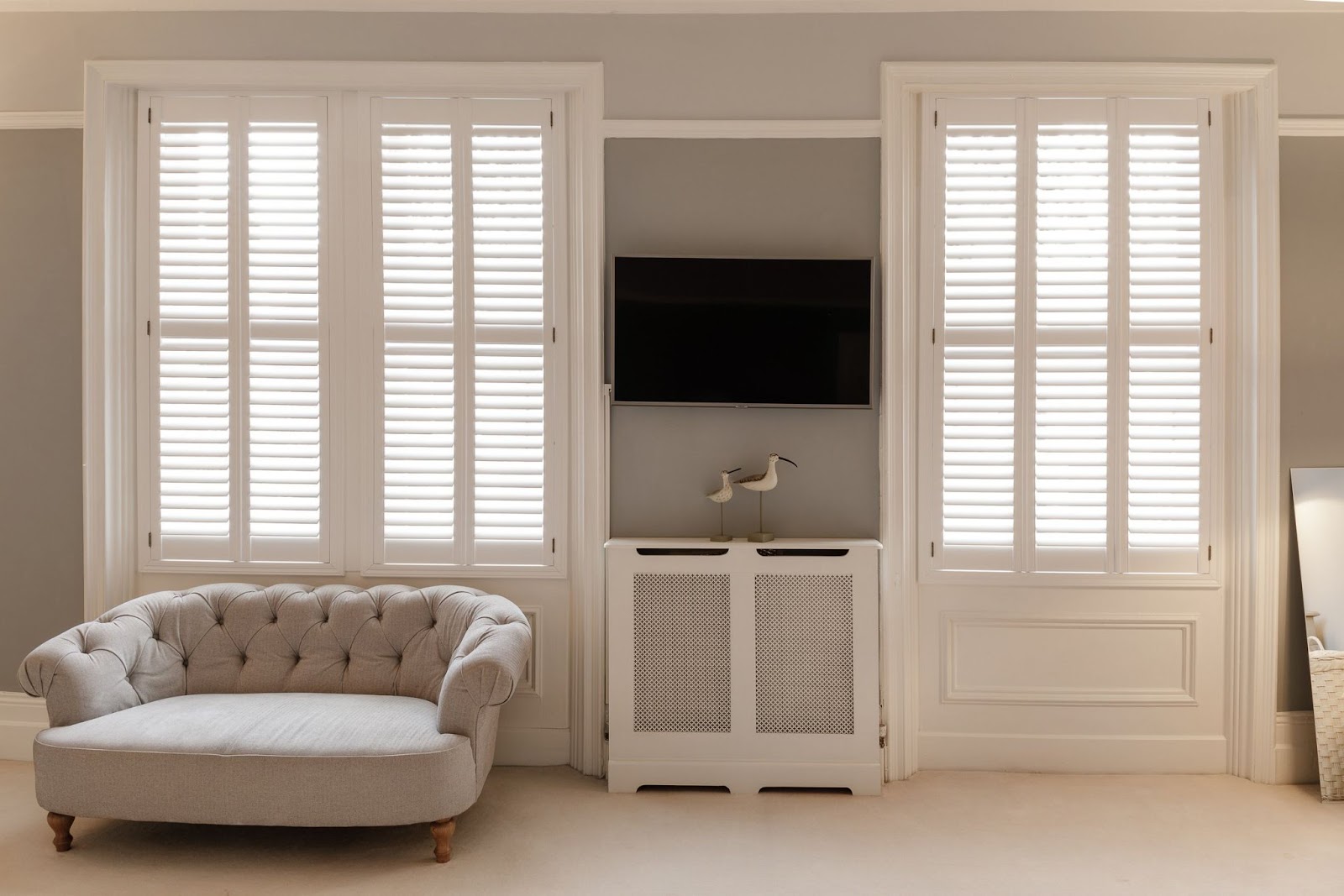
Shutters are window coverings consisting of solid panels or slats hinged to a frame and can be opened or closed to control light and privacy.
Unlike blinds and shades, shutters are typically made from wood, vinyl, or composite materials and are permanently attached to the window frame.
Types of shutters
Shutters come in various styles, each offering unique features to enhance the aesthetics and functionality of your windows.
Here are the types of Shutters;
- Traditional Shutters: These shutters feature wide slats, also known as louvres, that can be adjusted to control light and airflow. They typically have a timeless design and are well-suited for classic and contemporary interiors. They offer a balance of privacy and natural light when fully closed or tilted open.
- Plantation Shutters: Characterised by their wider louvres, they provide a modern and sophisticated look. They offer enhanced light control and ventilation, making them a popular choice for residential and commercial spaces. Plantation shutters are often favoured for complementing various architectural styles and interior designs.
- Café Shutters: Café shutters cover only the window’s bottom portion, exposing the top part. They offer privacy while allowing natural light to enter the room, making them ideal for street-level windows or areas where privacy is desired without sacrificing sunlight. Café shutters create a charming and inviting atmosphere, particularly in kitchens, dining areas, or cafes.
- Solid Panel Shutters: Unlike louvred shutters, solid panel shutters feature solid panels that cover the entire window when closed. They provide maximum privacy and light blockage, making them suitable for bedrooms, media rooms, or any space where total darkness is desired. Solid panel shutters offer enhanced insulation and noise reduction properties, creating a comfortable and peaceful indoor environment.
Materials used in shutters
The shutters’ material is crucial in their durability, appearance, and performance.
Here’s a breakdown of common shutter materials:
- Wood: Traditional and timeless wooden shutters offer a classic aesthetic and natural warmth to any space. They are available in wood species such as basswood, cedar, or hardwoods like oak and cherry, each with unique grain patterns and finish options.
- Vinyl: Vinyl shutters are a practical and cost-effective alternative to wood. They are resistant to moisture, humidity, and warping, making them suitable for high-moisture areas like bathrooms or kitchens. Vinyl shutters are available in various colours and textures to mimic the look of natural wood.
- Composite: Composite shutters combine synthetic materials’ durability with natural wood’s look. They are engineered to resist moisture, fading, and cracking, making them ideal for environments with fluctuating temperatures or high humidity.
- Aluminium: Aluminium shutters are lightweight, durable, and corrosion-resistant, making them suitable for indoor and outdoor use. They offer modern aesthetics and withstand harsh weather conditions, making them ideal for patio doors or coastal homes.
Pros and cons of shutters
Shutters offer a range of advantages and disadvantages, each influencing their suitability for different spaces:
PROSCONSDurability: Shutters, especially those made from wood or composite materials, are highly durable and long-lasting. They can withstand daily use, temperature changes, and exposure to sunlight without warping, cracking, or fading.Cost: Shutters can be more expensive than window treatments like blinds or shades, particularly those made from high-quality materials or custom designs. The initial investment may be higher, but their durability and longevity often justify the cost.Aesthetic Appeal: Shutters add a touch of elegance and sophistication to any room. Their timeless design and various styles complement traditional and modern decor, enhancing the space’s overall aesthetic.Maintenance: While shutters are relatively low, they may require periodic cleaning to remove dust and debris from louvres or panels. Maintenance requirements may vary depending on the material and finish.Light Control: Shutters provide precise control over light levels and privacy. With adjustable louvres or panels, you can easily regulate the amount of sunlight entering the room while maintaining privacy.Installation Complexity: Installing shutters can be more complex than other window treatments, especially for custom or non-standard window sizes. Professional installation may be required to ensure proper fit and operation.Insulation: Shutters offer insulation benefits, helping to regulate indoor temperatures and reduce energy costs. They create a barrier against heat loss in winter and heat gain in summer, improving your home’s overall energy efficiency.Limited Versatility: Unlike blinds or shades, shutters are fixed to the window frame and cannot be easily adjusted or removed. While they offer excellent light control and privacy, they may provide different flexibility regarding opening and closing options.Privacy: Shutters provide excellent privacy control, especially when fully closed. Their solid panels or adjustable louvres offer a barrier against prying eyes while allowing airflow.Cleaning Difficulty: Cleaning shutters can be more time-consuming and labour-intensive than other window treatments. Dust and debris can accumulate between louvres or panel crevices, requiring thorough cleaning to maintain their appearance.Increased Property Value: High-quality shutters are desirable home features and can increase resale value. They enhance the aesthetic appeal of your home’s interior and exterior, making it more attractive to potential buyers.Cost of Repairs: While shutters are durable, they are not immune to damage from accidental knocks or wear and tear over time. Repairing or replacing damaged shutters can be costly, especially for custom or high-end designs.Customisation Options: Shutters come in various styles, colours, and finishes, allowing you to customise them to match your decor and personal preferences. Whether you prefer traditional, modern, or rustic styles, there’s a shutter design to suit your taste.
Factors to Consider When Choosing Blinds, Shades and Shutters
Choosing between blinds, shades, and shutters requires careful consideration of several factors to ensure you select the right option for your space:
- Light Control: Assess your preferences for natural light and privacy. Blinds offer precise light control with adjustable slats, while shades provide varying levels of light filtering. Shutters balance privacy and light control with adjustable louvres or solid panels.
- Aesthetic Appeal: Consider your room’s overall style and decor. Blinds come in various materials and finishes to complement modern or traditional interiors. Shades offer versatility in fabric choices and patterns, allowing you to match your decor theme. Shutters add a timeless elegance and can enhance your home’s architectural features.
- Durability and Maintenance: Evaluate the durability and maintenance requirements of each option. Blinds made from sturdy materials like aluminium or faux wood are easy to clean and maintain. Shades made from durable fabrics or materials like vinyl are suitable for high-traffic areas. Shutters made from quality wood or composite materials offer long-term durability but may require occasional maintenance.
- Budget: Consider your budget constraints and the long-term investment value of each option. Blinds are often the most budget-friendly choice, while shades and shutters may have a higher initial cost but offer durability and aesthetic appeal that add value to your home.
- Installation Requirements: Determine whether you require professional installation or if DIY installation is feasible. Blinds and shades are typically easier to install, while shutters may require precise measurements and professional installation for optimal fit and operation.
- Climate Considerations: Consider your region’s climate and how it may affect your window treatment choice. For instance, moisture-resistant materials like vinyl or aluminium may be preferable in areas with high humidity. In colder climates, insulating options such as cellular shades or solid panel shutters can help maintain indoor comfort and energy efficiency.
Conclusion
Understanding the nuances between blinds, shades, and shutters empowers you to make informed decisions tailored to your space.
Whether seeking precise light control, timeless elegance, or durability, choose wisely. Ready to transform your windows? Explore our range today and elevate your home’s style and functionality.