Are Roller Blinds Easy to Install?
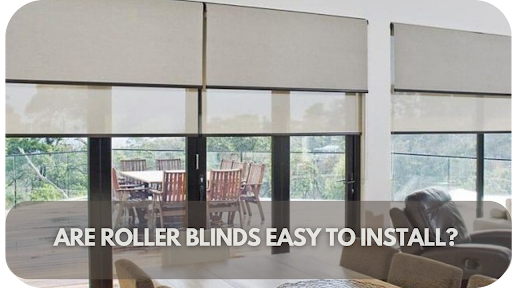
Installing roller blinds might seem daunting, but with the right tools and guidance, it can be straightforward, even for beginners.
Whether you want to update a room’s décor or add privacy and light control, roller blinds offer style and practicality.
In this guide, we’ll walk you through the installation process, addressing common concerns and offering tips to ensure a smooth, hassle-free experience. Ready to transform your space? Let’s dive in!
Are Roller Blinds Easy to Install?
Roller blinds are easy to install, especially with the right tools and instructions. Measuring your window correctly is essential for a perfect fit. Most roller blinds come with straightforward, step-by-step guides that simplify the process. While some installation challenges may arise, you can achieve a professional finish quickly and efficiently with patience and essential tools.
Tools and Materials Needed for Roller Blinds Installation
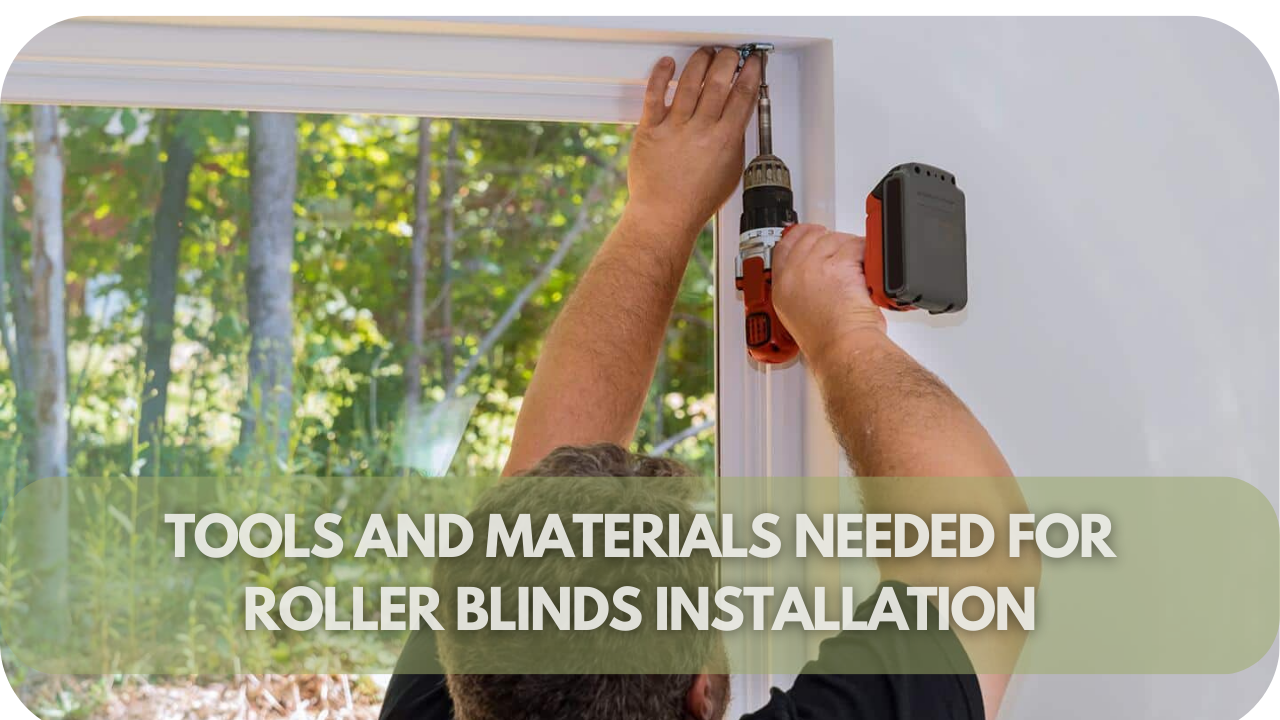
Installing roller blinds is easier with the right tools. From a drill and measuring tape to screws and safety gear, having everything prepared ensures a smooth process and professional finish. Here’s a quick guide on the essential materials you need to start.
- Drill: Needed to make holes for the brackets.
- Measuring tape: Essential for accurate placement and alignment of the blinds.
- Pencil/Marker: Helps mark the correct spots for drilling.
- Screws and wall plugs: Typically included, but extra may be needed for solid walls or ceilings.
- Screwdriver/drill driver: This is used to fix the brackets.
- Spirit level: Ensures the brackets are installed straight.
- Hacksaw: Useful for trimming blinds to fit uneven surfaces.
Step-by-Step Guide to Installing Roller Blinds
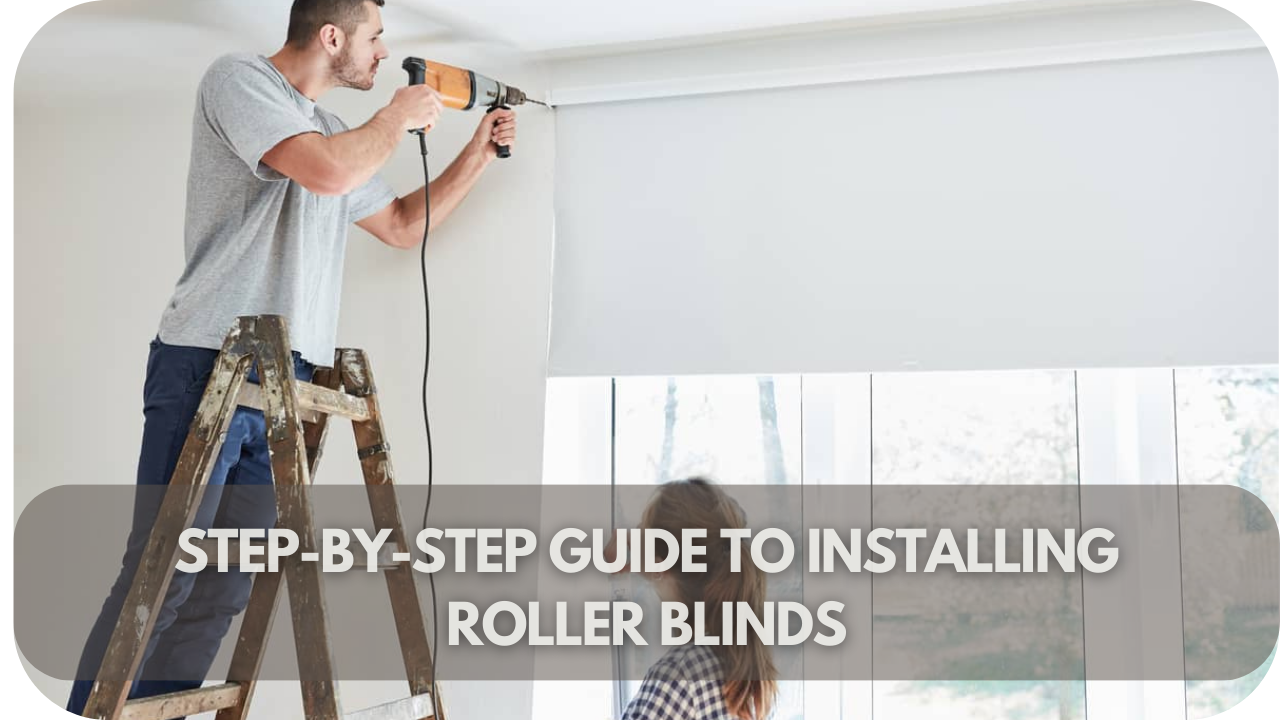
Installing roller blinds is straightforward; even beginners can confidently tackle it with this guide. Each step is laid out clearly, so you’ll always know what comes next. Have your tools ready? Double-check your measurements. Perfect—let’s get started.
1. Gather Your Tools and Materials
Before beginning, ensure you have all the essential tools and materials. A tape measure, drill, screws, and brackets are typically required for roller blind installation.
Start by checking that your blinds come with the necessary mounting hardware. If not, purchase compatible brackets and screws separately.
Using a pencil, mark your bracket placement accurately. A spirit level is also crucial to guarantee straight alignment. Keep a screwdriver handy for tightening screws and making adjustments. Some installations might need wall plugs, especially for plaster or brick surfaces.
2. Measure Your Window Space Accurately

Accurate measurements are key to a successful roller blind installation. Decide whether you want an inside or outside mount, which will determine how you’ll measure.
For an inside mount, measure the width and height of the recess at three points and use the smallest measurement for precision.
Outside mounts require you to measure beyond the frame for full coverage. Ensure a tape measure is held taut to avoid errors. Mistakes can occur if measurements are rushed, so take your time and double-check.
3. Mark the Bracket Placement
Accurate bracket placement ensures your roller blinds hang perfectly straight. Begin by measuring the desired height for your blinds, considering any obstructions like window handles. Once you’ve decided on the position, use a pencil to mark the drill points for the brackets.
A spirit level should be used to check that the marks are aligned horizontally. Careful attention to detail here will save you time and prevent misalignment later. Ensure the brackets are evenly spaced to avoid uneven blinds.
4. Install the Brackets Securely
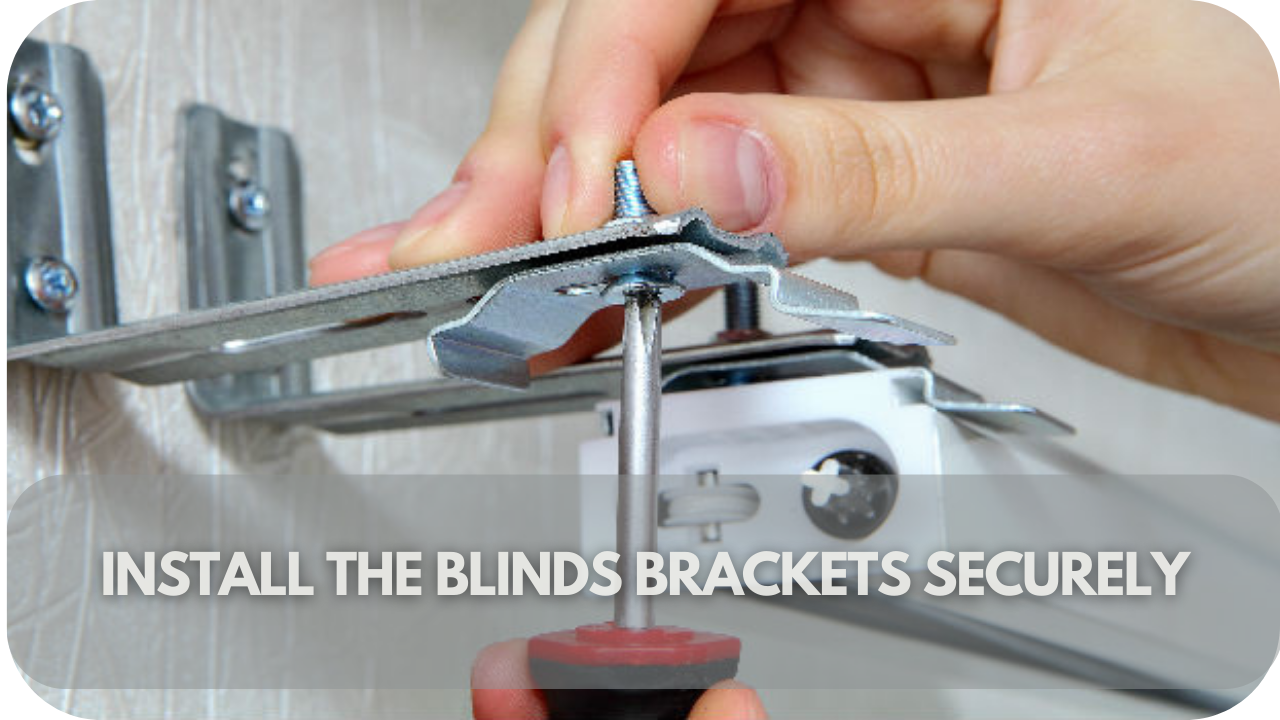
Secure brackets are crucial for a stable roller blind installation. Begin by drilling holes where you marked the bracket placement earlier. Using the appropriate wall plugs, especially for plaster or brick walls, ensures the brackets stay firmly in place.
Double-check the alignment of the brackets before attaching them with screws. A spirit level can help you confirm they are perfectly horizontal. For added strength, tighten the screws firmly but avoid overtightening to prevent damage. Properly installed brackets will provide the foundation for smooth blind operation and long-term stability.
5. Attach the Roller Blind Mechanism
Attaching the roller blind mechanism is straightforward. First, ensure the brackets are securely in place and properly aligned. Then, insert the roller blind’s pin end into the corresponding bracket.
With the pin securely seated, guide the chain-driven side into the opposite bracket. A gentle click should confirm that the mechanism is correctly fitted. Double-check that the blind is rolling evenly and smoothly within the brackets.
If adjustments are needed, remove the blind carefully and reposition it. Proper mechanism installation guarantees effortless operation and a neat appearance for your window treatment.
6. Adjust and Test Your Roller Blinds
Once installed, adjusting and testing your roller blinds ensures smooth operation. Start by gently pulling the chain or cord to confirm that the blinds roll up and down effortlessly. If the movement feels stiff, check the brackets for alignment and make any necessary adjustments.
Ensure the blind fabric rolls evenly without catching on the sides. Verify that the blinds fit snugly without scraping the recess for an inside mount. Outside mounts should cover the window entirely for optimal functionality. Testing the blinds thoroughly ensures they are secure and function as intended.
Common Mistakes to Avoid When Installing Roller Blinds

Installing roller blinds can transform a room, but even minor missteps can lead to frustration and reduced functionality. Here are some common mistakes to avoid:
- Incorrect Measurements: Failing to measure your windows accurately can result in blinds that don’t fit properly. Always measure twice and consider factors like window frames and obstructions.
- Choosing the Wrong Mounting Style: Deciding between inside and outside mounting is crucial. Inside mounts require precise measurements, while outside mounts can provide better light coverage but need extra wall space.
- Ignoring the Wall Type: Different walls require different hardware. Using incorrect screws or anchors can lead to blinds pulling away or falling.
- Skipping Instructions: Overlooking manufacturer instructions often results in misalignment or incomplete installations. Take time to read thoroughly.
- Misaligned Brackets: Uneven brackets can cause the blinds to hang crooked or operate poorly. Use a level to ensure alignment.
Benefits of Installing Roller Blinds Yourself

Installing roller blinds yourself offers several advantages that go beyond just saving money. First, the satisfaction of completing a DIY project can be gratifying. With the right tools and instructions, you can quickly achieve a professional finish without hiring a specialist. Flexibility is
- Cost Savings: Installing roller blinds eliminates the need for professional installation services, helping you save significant money. This is especially beneficial if upgrading multiple windows or working within a tight budget.
- Control and Precision: By handling the installation yourself, you can ensure the blinds are positioned precisely how you want them. You maintain full control over the process if you wish to achieve a perfect fit or align with your décor.
- Flexibility: Unlike hiring professionals, installing roller blinds yourself lets you work at your own pace. You can choose the most convenient time to tackle the project without being restricted by someone else’s schedule.
- Sense of Accomplishment: Completing a DIY task can be gratifying. Installing your roller blinds enhances your home and gives you a sense of pride and satisfaction in your handiwork.
- Ease of Process: Most roller blinds have detailed instructions and often include video tutorials. This simplifies the process, even for beginners, ensuring you achieve a professional-looking result without stress.
- Skill Development: Successfully installing roller blinds equips you with a practical skill that can be used for other DIY projects. It’s a learning experience that boosts your confidence for future home improvements.
When to Consider Professional Installation
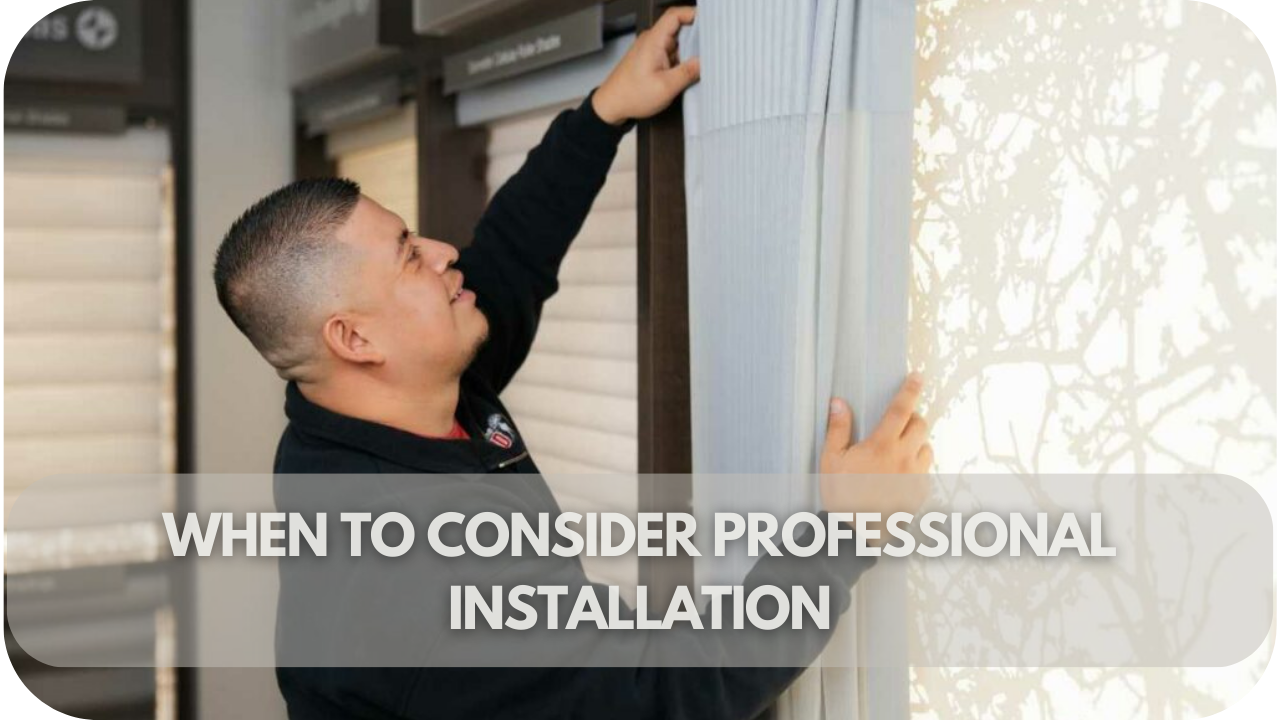
While roller blinds are generally easy to install, certain situations may warrant professional assistance. If your window frames are unusually shaped or larger than standard sizes, expert help can ensure a secure and accurate installation.
Complex systems, such as motorised blinds, require technical expertise for proper wiring and operation. In these cases, a professional installation ensures everything is installed safely and functions correctly.
Hiring an installer might be the best choice if you have limited time or need more confidence in your DIY skills.
Not all roller blinds are the same; some require advanced tools or techniques beyond the scope of basic installations. When precise measurements and an exact fit are crucial, leaving it to someone with experience is better.
Conclusion
Transforming your space with the perfect window treatments starts with the right approach to installation.
Whether you prefer the hands-on satisfaction of a DIY project or the precision of professional expertise, roller blinds provide flexibility and style to suit any home.
Carefully considering your needs and preferences can ensure a seamless and efficient setup. Explore our collection of roller blinds today and take the first step toward a beautifully finished space.