Remote-Controlled Blinds for Individuals with Respiratory Conditions

I remember when a simple task like adjusting blinds filled my space with dust, leaving my asthma-prone lungs struggling. That’s when I found remote-controlled blinds—a solution that transformed my home environment. I could manage light and privacy without stirring up allergens with just a click.
For individuals with respiratory conditions, remote-controlled blinds go beyond convenience; they’re a breath of relief. Imagine the ease of a cleaner, healthier home where one less trigger is in the air. Here’s how these blinds can support your well-being, too.
Features of Remote-Controlled Blinds That Benefit Respiratory Health
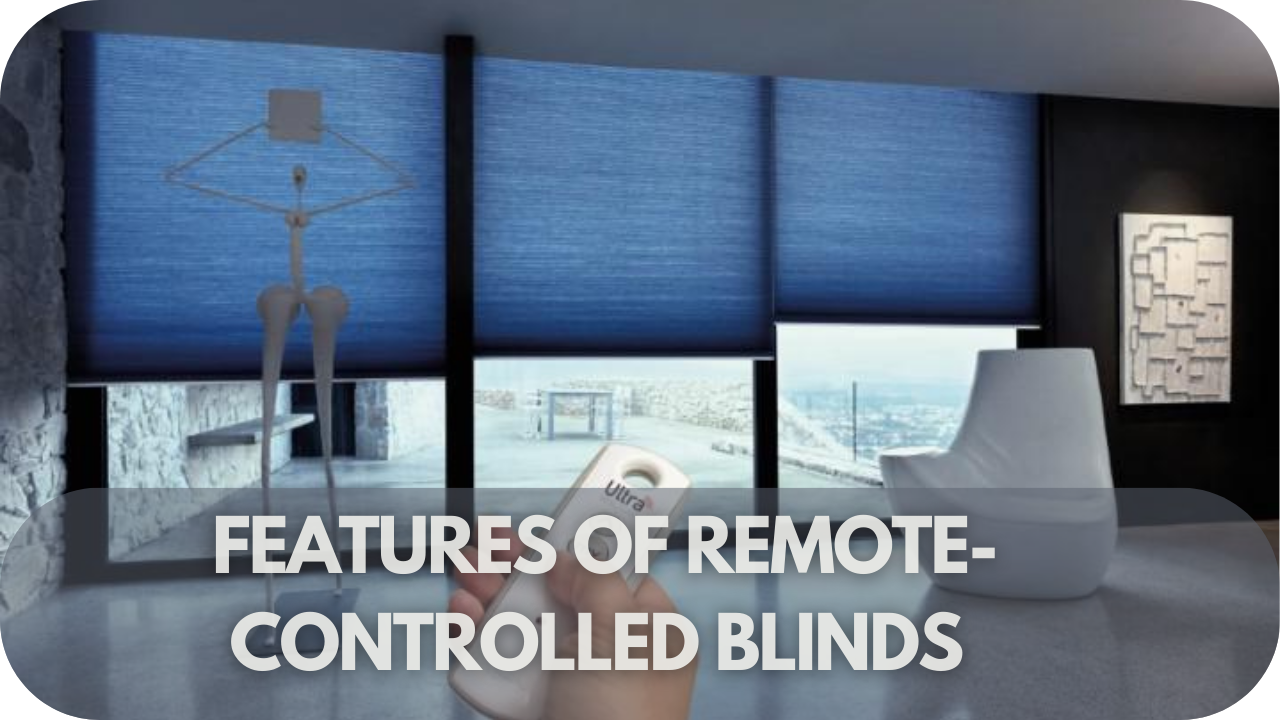
Find out how remote-controlled blinds benefit respiratory health, from reducing dust exposure to using hypoallergenic materials. Find the features that enhance air quality and comfort for a healthier home.
- Motorised Operation Minimising Contact: Motorised blinds eliminate the need to adjust them manually, reducing the chance of dust accumulation from frequent handling. This feature benefits respiratory health by limiting the airborne allergens that manual adjustment often stirs up.
- Integration with Smart Home Systems: Remote-controlled blinds can integrate seamlessly with smart home systems, allowing for automated adjustments based on time, weather, or personal preferences. This automation reduces the need for manual handling, helping maintain a cleaner indoor environment conducive to respiratory well-being.
- Hypoallergenic Materials: Many remote-controlled blinds are crafted from hypoallergenic materials, which resist dust, mould, and other allergens that can aggravate respiratory conditions. These materials significantly improve indoor air quality.
- Easy-to-Clean Designs: These blinds often come with streamlined, smooth surfaces that are easy to clean, preventing the buildup of allergens. Regular cleaning is more straightforward, ensuring that dust and pollutants are kept at bay with minimal effort.
- Quiet Motor Operation: Advanced remote-controlled blinds use quiet motors, enhancing the indoor environment without adding noise pollution. This feature contributes to a calm, low-stress atmosphere supporting respiratory comfort and overall well-being.
Types of Remote-Controlled Blinds for Individuals with Respiratory Conditions
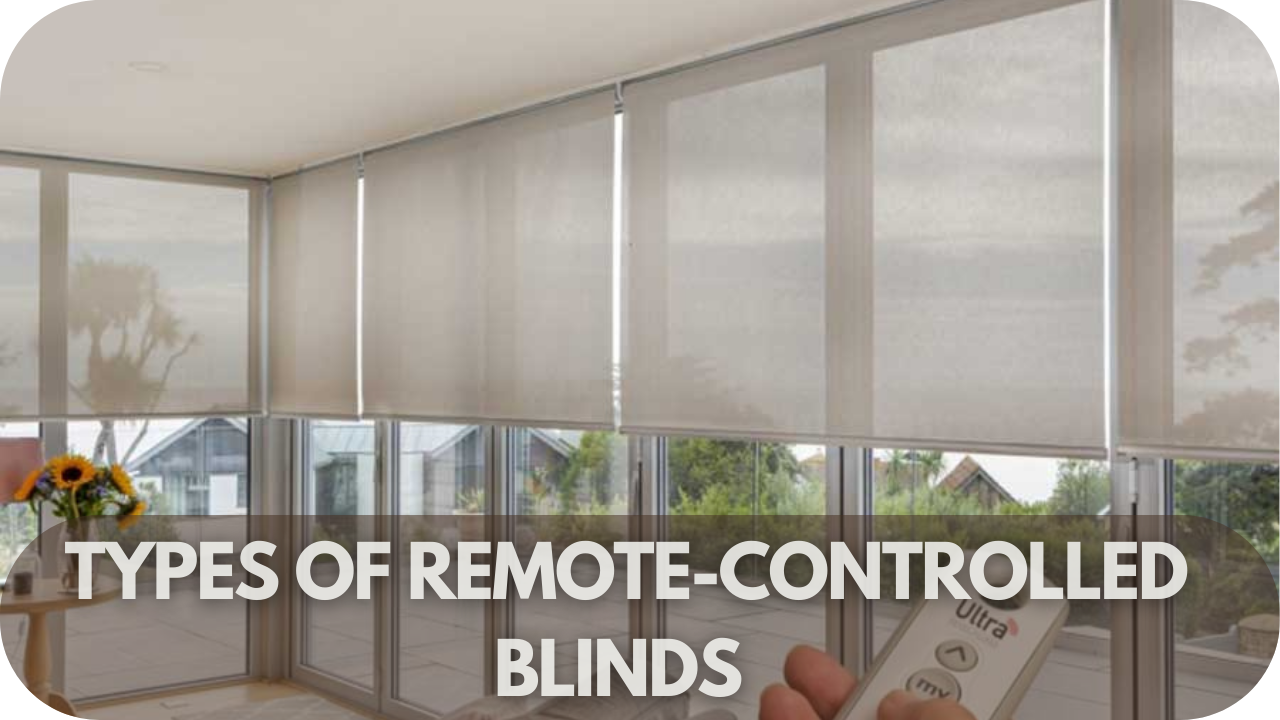
Explore 6 types of hypoallergenic blinds for respiratory health by reducing dust exposure and improving air quality. Learn how each blind style supports a cleaner, allergen-free environment.
1. Motorised Roller Blinds
Motorised roller blinds are known for their sleek design and functionality, making them ideal for individuals with respiratory conditions. Their smooth, flat surface collects minimal dust and is easy to clean, reducing allergens in the home.
Hypoallergenic blinds for respiratory health—such as roller blinds—allow remote control, minimising the need for physical contact, which helps prevent dust and allergens from being dispersed. Their minimalist design suits various interiors, and their hypoallergenic materials further support a healthier indoor environment.
2. Motorised Honeycomb Blinds
Honeycomb or cellular blinds provide more than just aesthetic appeal—they benefit respiratory health. The unique honeycomb structure traps air within the cells, offering insulation and helping to maintain a consistent indoor temperature.
This structure also captures airborne particles, helping improve indoor air quality. With remote control, honeycomb blinds minimise the need for manual adjustments, reducing dust disturbance. These blinds benefit individuals with respiratory sensitivities, combining function, energy efficiency, and allergen control.
3. Motorised Venetian Blinds
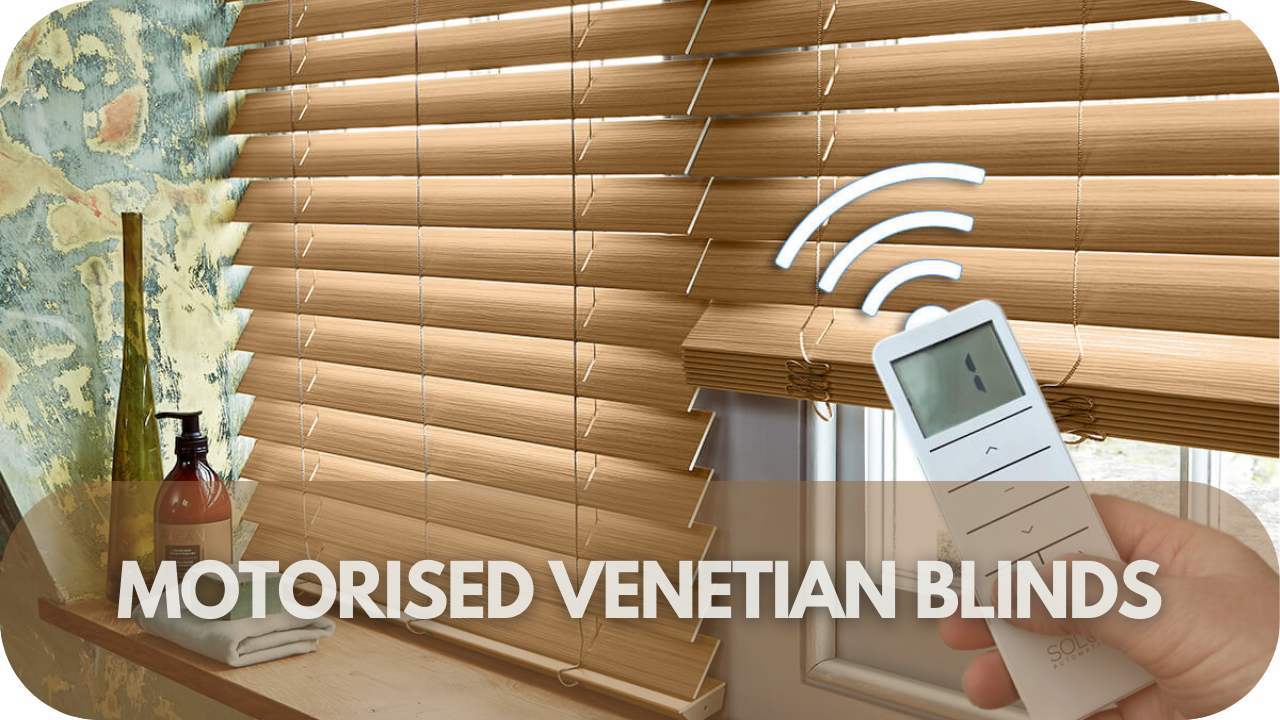
Venetian blinds are popular for their adjustable slats, which offer precise control over light and ventilation. Motorised versions eliminate the need to handle the slats manually, reducing the risk of spreading allergens and dust.
The remote control feature allows users to adjust the blinds from anywhere in the room, creating a more comfortable and allergen-free environment. Additionally, Venetian blinds can be made from materials that resist dust accumulation, which is ideal for maintaining cleaner air quality indoors and supporting respiratory health.
4. Motorised Roman Blinds
Motorised Roman blinds blend style and functionality, making them an excellent choice for those who prefer the perfect look. They fold neatly when raised, offering a soft, elegant look that suits various decor styles.
With remote control, Roman blinds allow adjustments without physical contact, helping to limit dust and allergen dispersal in the home. Made from easy-to-clean fabrics, they can be maintained with minimal effort. Roman blinds provide effective light control, making them perfect for areas where you want both privacy and a dust-controlled environment.
5. Motorised Vertical Blinds
Motorised vertical blinds are ideal for large windows or sliding glass doors, providing smooth operation and easy maintenance. Unlike traditional vertical blinds, which can accumulate dust on each slat, motorised versions reduce the need for handling, helping to keep allergens at bay.
These blinds offer excellent control over light and airflow, enhancing air quality by allowing fresh air circulation. Vertical blinds are also available in materials that resist dust, making them a practical choice for individuals with respiratory conditions who need minimal allergen exposure.
6. Motorised Panel Glide Blinds
Panel glide blinds are well-suited for expansive windows or patio doors. They have wide fabric panels that move smoothly across the window. Motorised panel glide blinds provide convenient, touch-free operation, helping reduce dust and allergen disturbance in the home.
These blinds are designed to be easy to clean and are often made from dust-resistant materials, promoting a healthier indoor environment. The remote-control feature allows users to adjust them effortlessly, making panel glide blinds an attractive choice for anyone seeking functionality and respiratory health benefits.
Benefits of Remote-Controlled Blinds for Respiratory Conditions
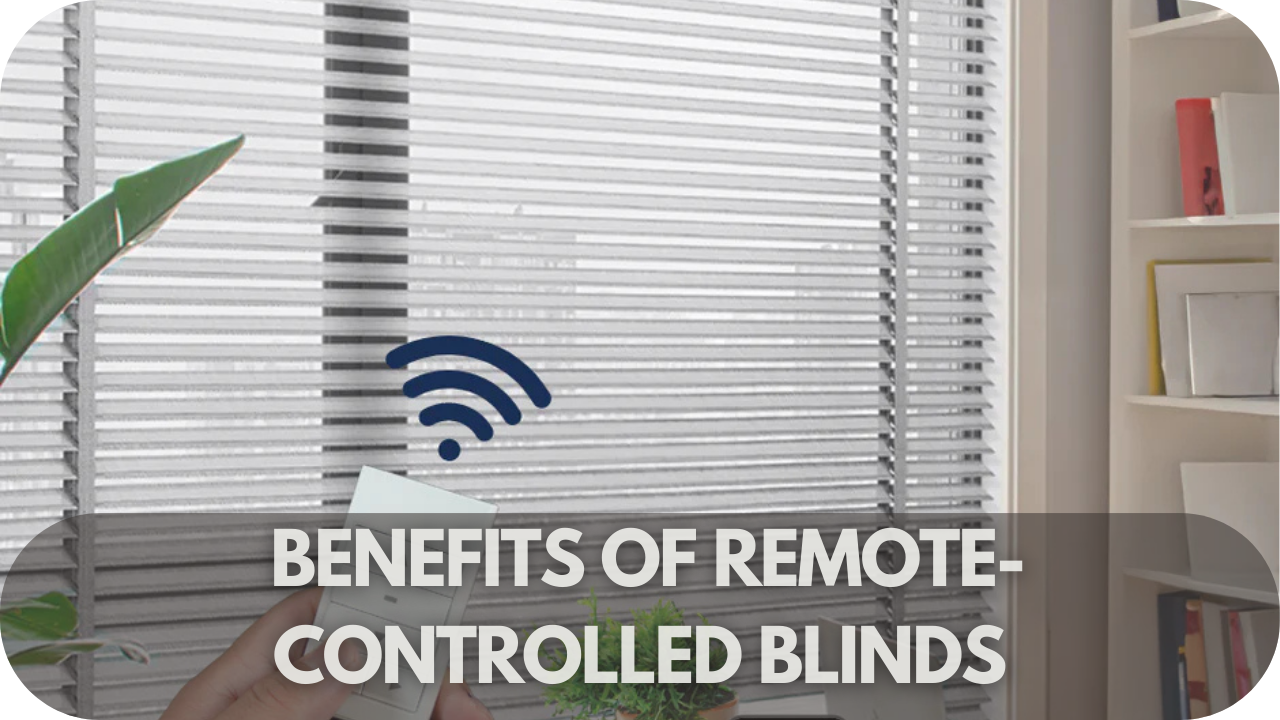
Remote-controlled blinds are beneficial for respiratory health. They reduce allergen exposure and improve air quality, providing comfort, convenience, and a cleaner home environment.
- Reduced Allergen Exposure: Remote-controlled blinds limit physical contact, reducing dust and allergen disturbances, which benefits those with respiratory sensitivities. By minimising physical contact, these blinds help maintain a cleaner indoor environment, reducing allergen buildup and exposure.
- Improved Indoor Air Quality: Made with easy-to-clean materials, these blinds help minimise dust accumulation, enhancing indoor air quality for those with respiratory issues.
- Ease of Operation and Convenience: Effortless operation via remote control eliminates physical exertion, providing a comfortable and convenient solution for adjusting light and airflow.
- Consistent Light and Ventilation Control: These blinds allow for precise adjustments to light and airflow, helping maintain an optimal, dust-free indoor environment.
- Automated Schedules for Reduced Dust Buildup: Smart integration enables scheduled adjustments, reducing dust buildup and maintaining cleaner air through controlled airflow.
Enhanced Comfort and Overall Well-being: These blinds reduce allergens and improve air quality, providing relief and improving the overall quality of life for individuals with respiratory conditions.
Selecting the Right Remote-Controlled Blinds for Respiratory Health
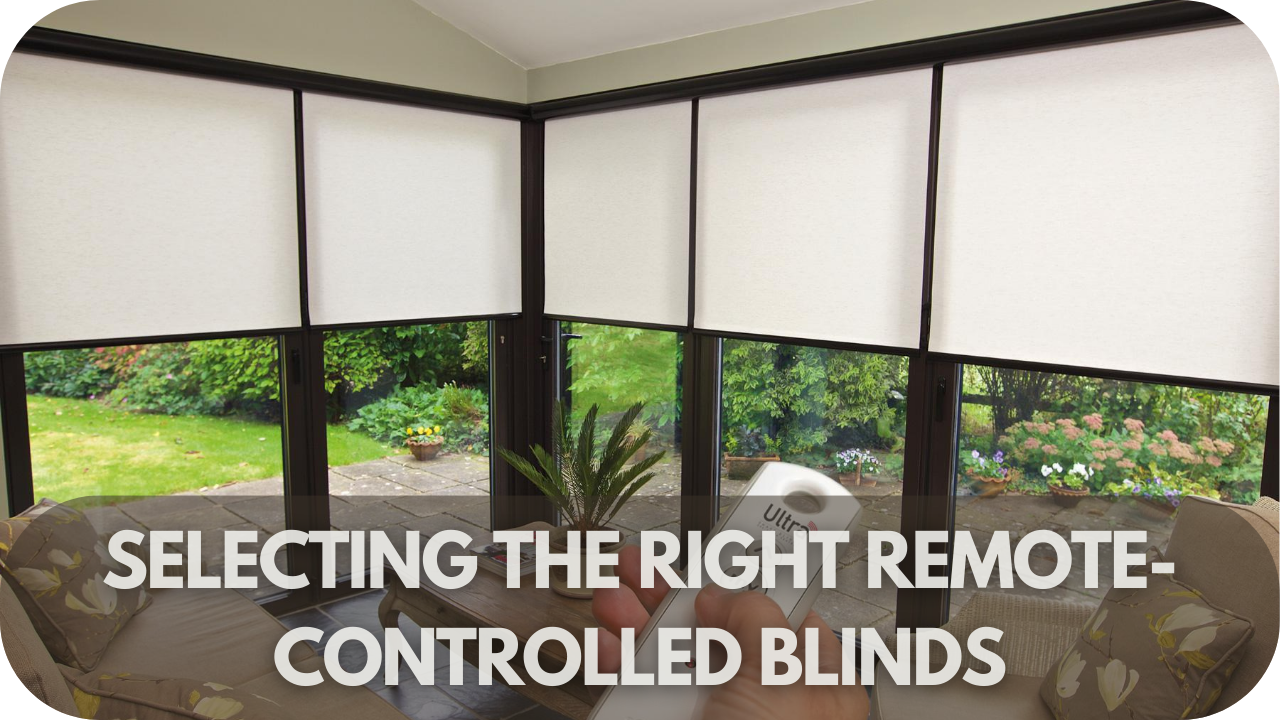
Learn how to choose the ideal remote-controlled blinds for respiratory health. From hypoallergenic materials to intelligent features, find out what makes a healthier, allergen-free home environment.
- Opt for Hypoallergenic Materials: Choosing blinds made from hypoallergenic materials can reduce dust and allergen buildup, keeping the indoor air cleaner and healthier for individuals with respiratory sensitivities.
- Consider Easy-to-Clean Designs: Blinds with smooth, simple designs are easier to clean and maintain, minimising allergen accumulation and making routine cleaning more manageable.
- Evaluate Noise Levels of Motors: Quiet motor operation is essential, especially for bedrooms or relaxation spaces. It ensures a peaceful environment that supports respiratory well-being.
- Look for Smart Home Compatibility: Selecting blinds that integrate with smart home systems allows for automated adjustments, maintaining optimal light and airflow without manual handling, which can disturb allergens.
- Prioritise UV-Blocking and Light Control Features: Blinds with UV-blocking capabilities provide light control, preventing overheating and maintaining indoor air quality by reducing the need for frequent adjustments.
- Choose Blinds with Custom Sizing Options: Ensuring a precise fit reduces gaps that let dust and allergens enter, providing better control over indoor air quality for respiratory health.
Maintenance and Care
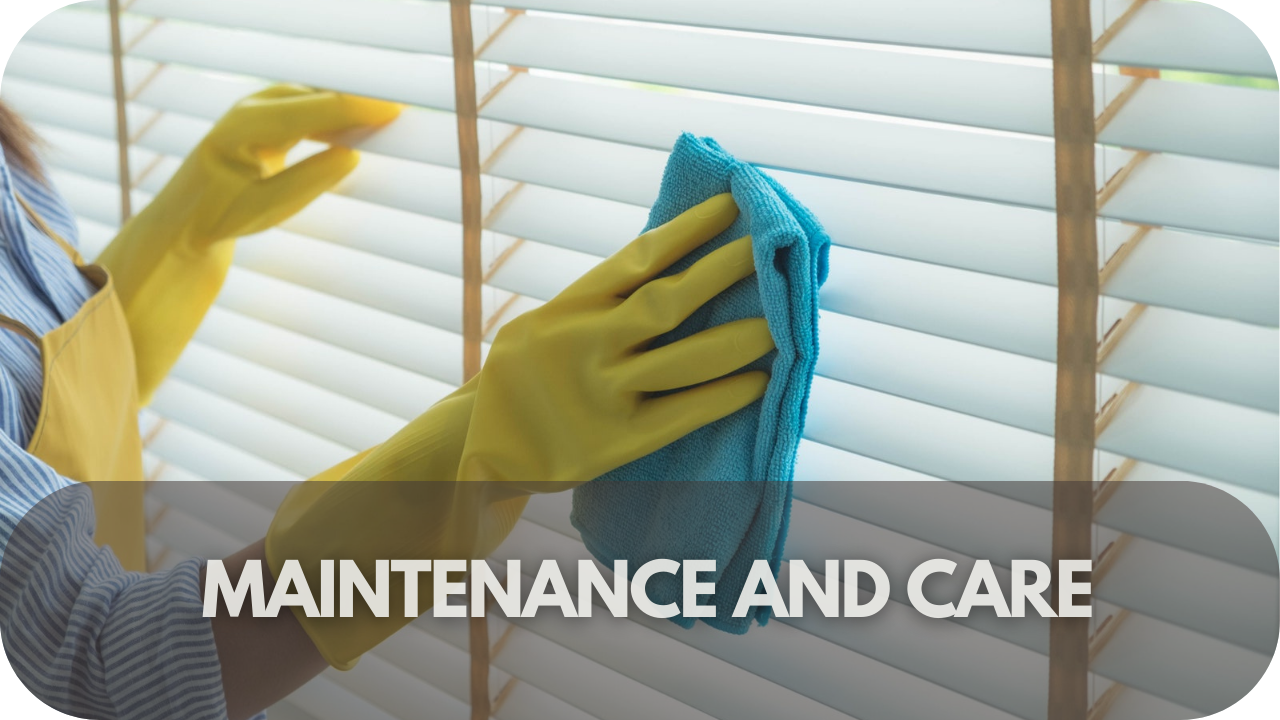
Proper maintenance of remote-controlled blinds is essential for promoting a healthier indoor environment, especially for individuals with respiratory sensitivities.
Start by routinely dusting the blinds using a microfibre cloth or a vacuum with a brush attachment to remove accumulated dust and allergens.
Avoid harsh chemicals, as they can release irritants into the air; instead, opt for gentle, non-toxic cleaning solutions or simply use water.
For fabric blinds, consider spot cleaning to prevent stains without fully immersing them in water. Regularly inspect the motorised components and remote control to ensure they’re functioning smoothly, as this reduces the need for manual adjustments that can disturb settled dust.
Set a reminder for deeper cleaning every few months, focusing on hard-to-reach areas where dust may settle. These simple but effective steps can maintain the blinds’ longevity and keep your living space as clean and allergen-free as possible, supporting better respiratory health in your home.
Conclusion
Remote-controlled blinds are more than a convenience—they’re a breath of fresh air for those with respiratory needs. Imagine a cleaner, allergen-free home with effortless light control. Ready to transform your space?
Explore your options at Into Blinds, Australia’s trusted blinds and curtains supplier, and take the first step towards healthier living.