Smart Blinds for People with Chronic Sleep Disorders: Regulating Natural Light Cycles

For years, I struggled with chronic sleep issues. I’d toss and turn, unable to sleep deeply, no matter how tired I was. The problem wasn’t just my mind—it was the light. The early morning sun would wake me, disrupting my rest.
Then, I tried intelligent blinds. By programming them to adjust to the natural light cycle gradually, I started to sleep better and feel more rested each day. Small steps like this can make a huge difference.
Let’s find out how smart blinds can help you, too.
How Smart Blinds Help Regulate Natural Light Cycles
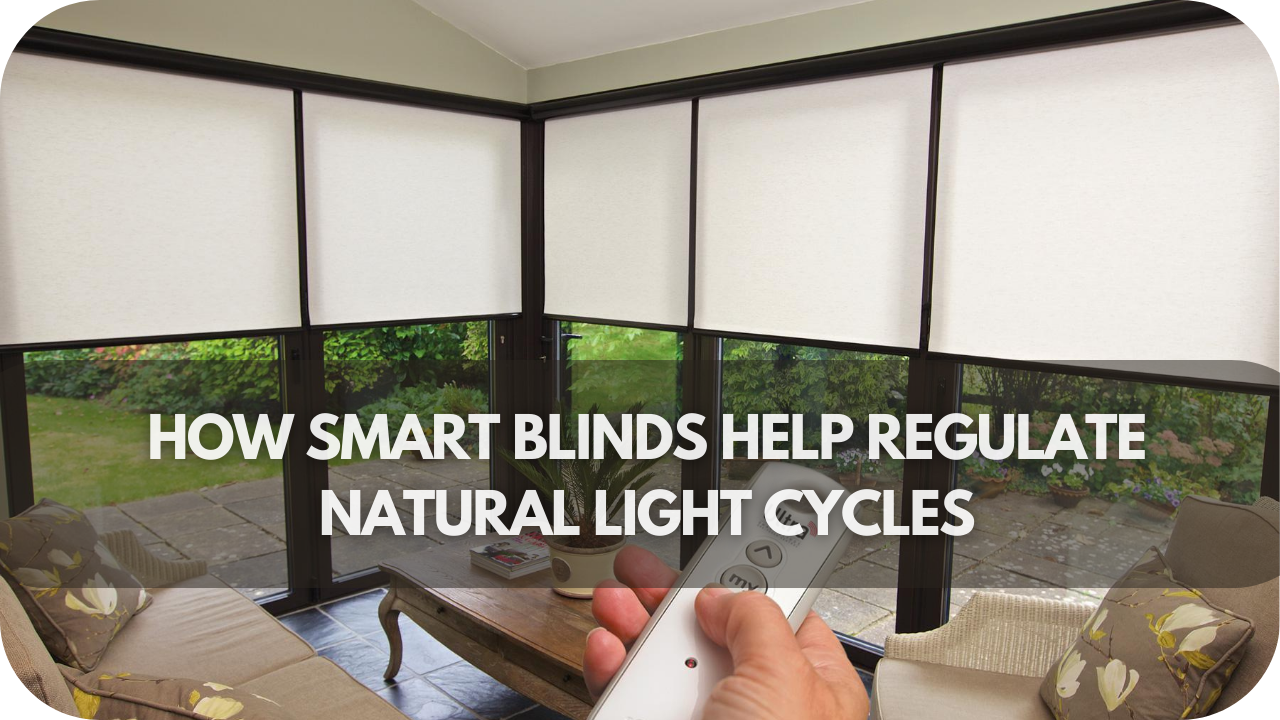
Smart blinds like motorisation roller blinds are an effective tool for managing natural light cycles, particularly beneficial for people with chronic sleep disorders. Here is how Light-regulating blinds for sleep help;
- Automatic Light Adjustment: Smart blinds can be programmed to open and close at specific times, mimicking the Natural light control for sleep disorders and the natural progression of daylight.
- Personalised Schedules: Smart blinds allow users to customise schedules based on personal needs. For individuals with irregular sleep patterns, adjusting the blinds to darken in the evening and brighten in the morning gradually can reinforce a consistent daily routine, which is essential for improving sleep quality.
- Real-Time Light Adaptation: Some smart blinds have sensors that respond to outdoor light levels, adjusting automatically to maintain optimal indoor lighting. This feature helps maintain stable lighting throughout the day and prevents sudden changes that could disrupt sleep patterns, ideal for individuals sensitive to light.
- Integration with Sleep-Tracking Apps: Many smart blinds are compatible with sleep-tracking apps, offering insights and suggestions for optimising light exposure in alignment with personal sleep data. This integration creates a tailored approach to lighting, helping individuals find the ideal balance for restful nights and energised mornings.
How Light Affects Sleep and Health
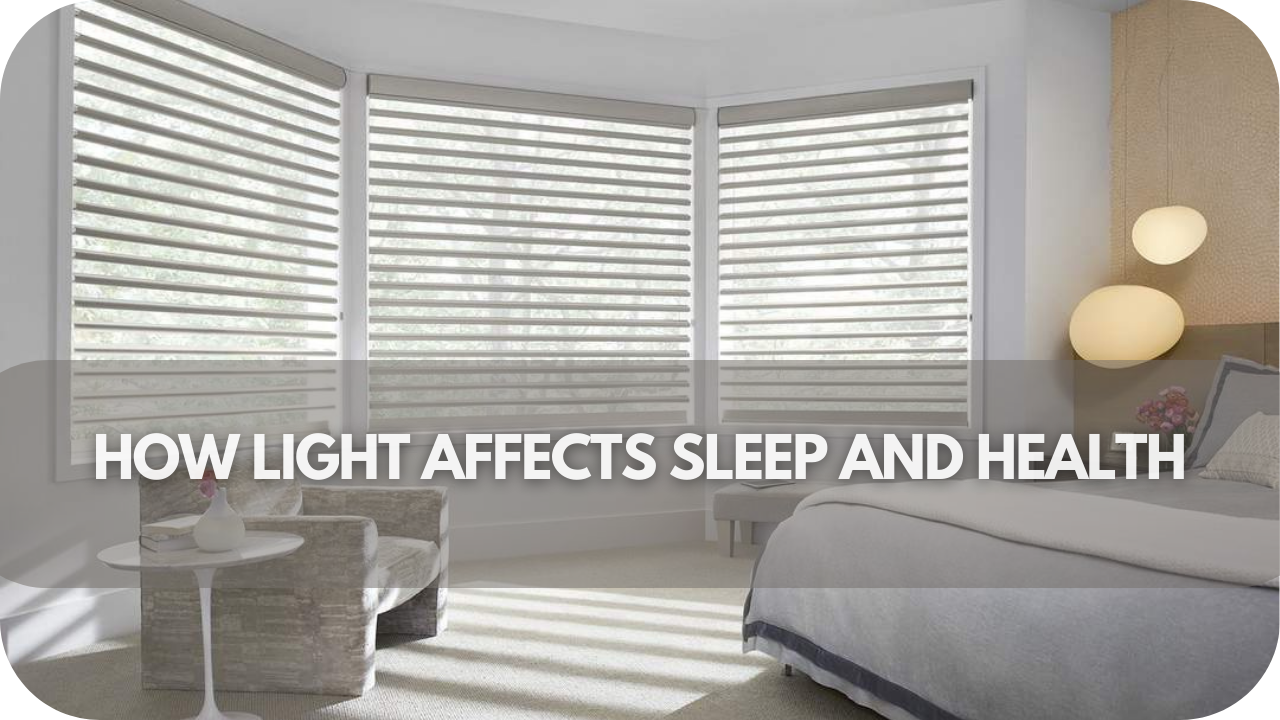
Light exposure significantly impacts sleep patterns and overall health, particularly for people with chronic sleep disorders. Here’s how light influences the body’s natural rhythms:
- Circadian Rhythm Regulation: Natural light exposure helps regulate the body’s internal clock, or circadian rhythm, which dictates sleep-wake cycles. Bright light in the morning signals the brain to reduce melatonin, a sleep hormone, helping individuals feel alert and energised. In contrast, reduced evening light promotes melatonin production, encouraging restful sleep.
- Mood and Mental Health: Automated blinds for sleep health help with light exposure. Light exposure affects the release of serotonin, a hormone that influences mood and mental well-being. Morning sunlight increases serotonin levels, potentially alleviating symptoms of anxiety and depression. This mainly benefits people with sleep disorders, as improved mood can positively impact sleep quality.
- Reduced Sleep Disruptions: Controlled light exposure throughout the day minimises sleep disruptions, supporting deeper, more consistent rest. Bright lights late in the evening can delay sleep onset, disrupting circadian alignment. By managing light exposure effectively, it’s easier to establish consistent sleep patterns.
- Support for Melatonin Production: Darkness in the evening in smart blinds like blackout blinds stimulates melatonin, promoting relaxation and readiness for sleep. Limiting artificial light at night and embracing natural cycles helps the body transition into sleep more smoothly, enhancing overall sleep health.
Features to Look for in Smart Blinds for Sleep Disorders
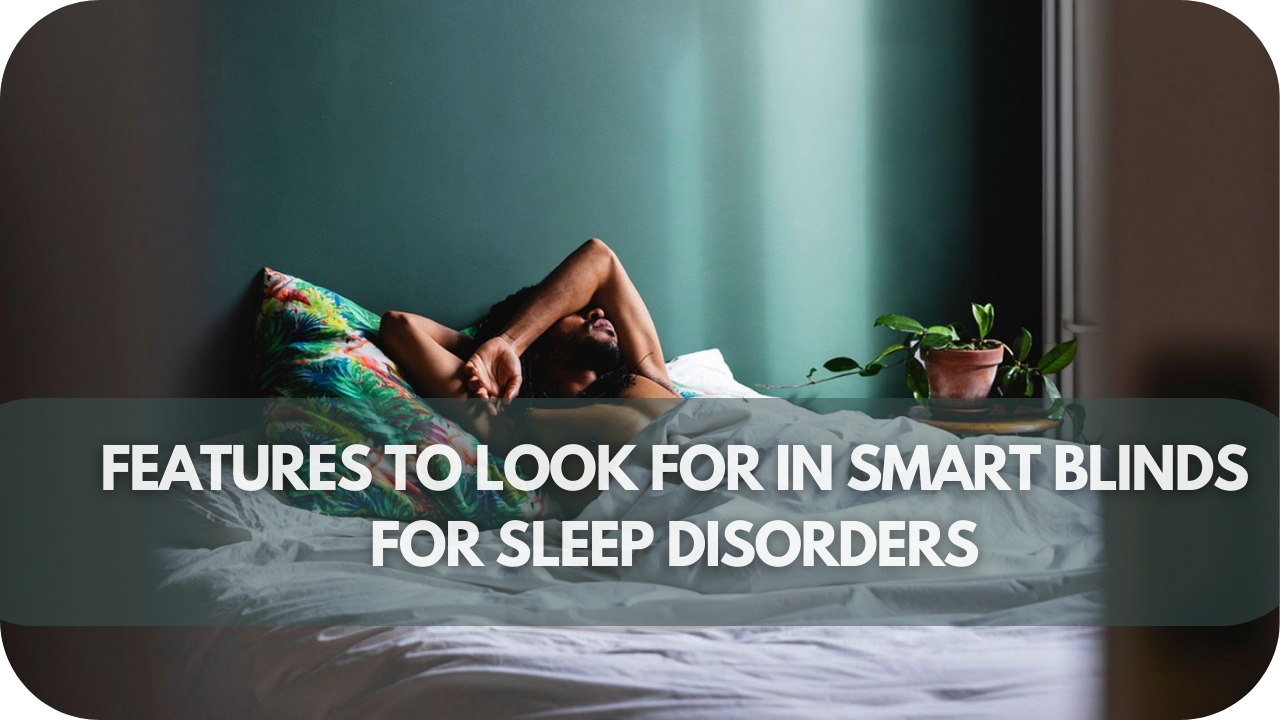
Smart blinds with specific features can significantly enhance sleep quality by regulating natural light exposure for individuals with chronic sleep disorders. Here’s what to prioritise:
- Customisable Scheduling: Can your blinds open and close at set times to support circadian rhythms? Scheduling is vital for creating consistent light cues that signal the body to wake or prepare for sleep, which helps establish a stable sleep-wake cycle.
- Light Sensors for Automatic Adjustments: Do the blinds detect ambient light changes? Light-sensitive individuals benefit from blinds that automatically respond to natural light, closing when sunlight is intense or opening on overcast days, maintaining a balanced indoor light environment.
- Quiet Motor Operation: Will adjustments be silent? For sleep-sensitive users, quiet motors ensure blinds open and close smoothly without disrupting sleep. Noise can be a significant factor, especially during early morning or evening adjustments.
- Remote Control and App Integration: Is there a convenient control method? App or remote control allows for easy adjustment from the bed, making it effortless to tailor light exposure without needing to get up or disturb a restful environment.
Benefits of Smart Blinds for People with Chronic Sleep Disorders
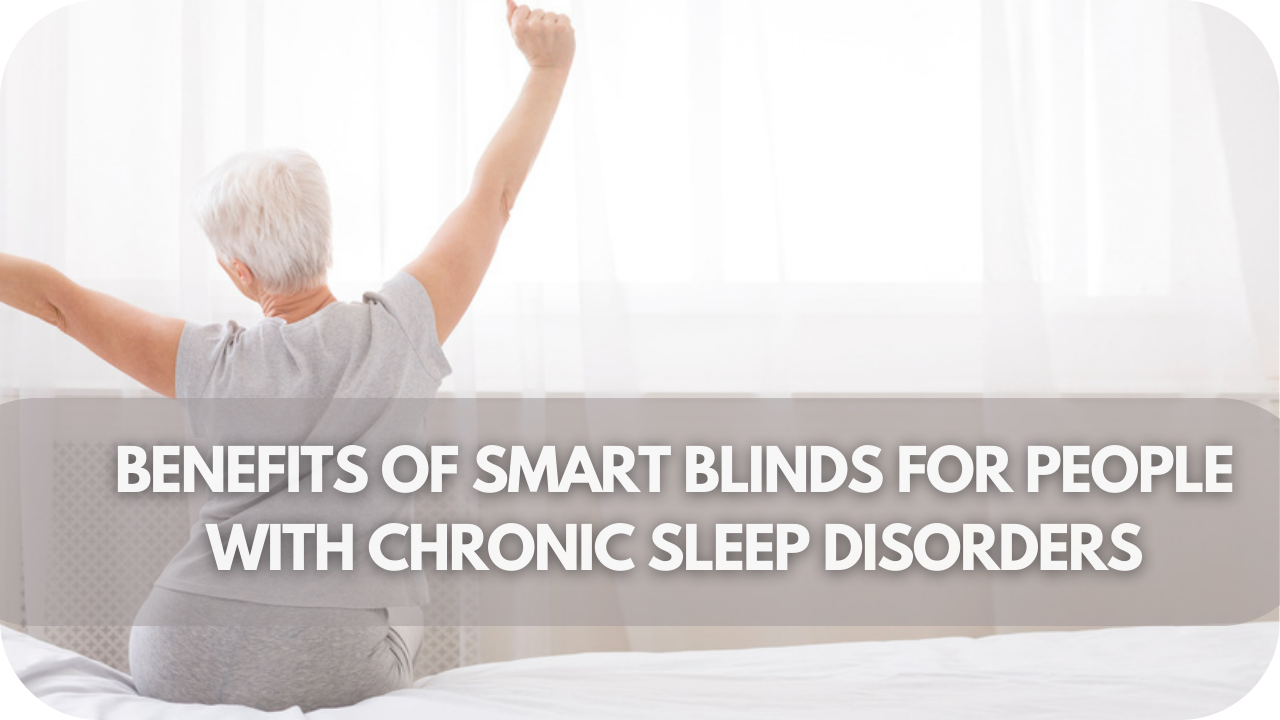
Smart blinds offer numerous advantages for individuals with chronic sleep disorders, improving sleep quality and daily routines. Here are some key benefits:
- Improved Sleep Quality: Smart blinds help regulate light exposure, a crucial factor for managing circadian rhythms. These blinds support natural sleep cycles by gradually adjusting the light throughout the day. Morning light can gently wake you, while evening dimming prepares the body for rest, promoting more profound, consistent sleep.
- Reduced Sleep Disruptions: Smart blinds can be programmed to close when the light levels are too bright or adjust automatically as the day progresses. This automatic regulation helps reduce the chances of external light interfering with sleep, creating a more stable, sleep-friendly environment.
- Enhanced Convenience and Independence: Remote control and app functionality allow users to adjust blinds effortlessly without needing to get out of bed or move around. Smart blinds offer increased independence for those with physical limitations, making it easier to manage light levels throughout the day and night.
- Customised Light Environment: Smart blinds can be tailored to your needs by integrating smart home systems. Whether you adjust the timing and light intensity or combine it with other devices, the ability to control your environment directly supports better sleep management and overall well-being.
How to Choose the Best Smart Blinds for Sleep Improvement
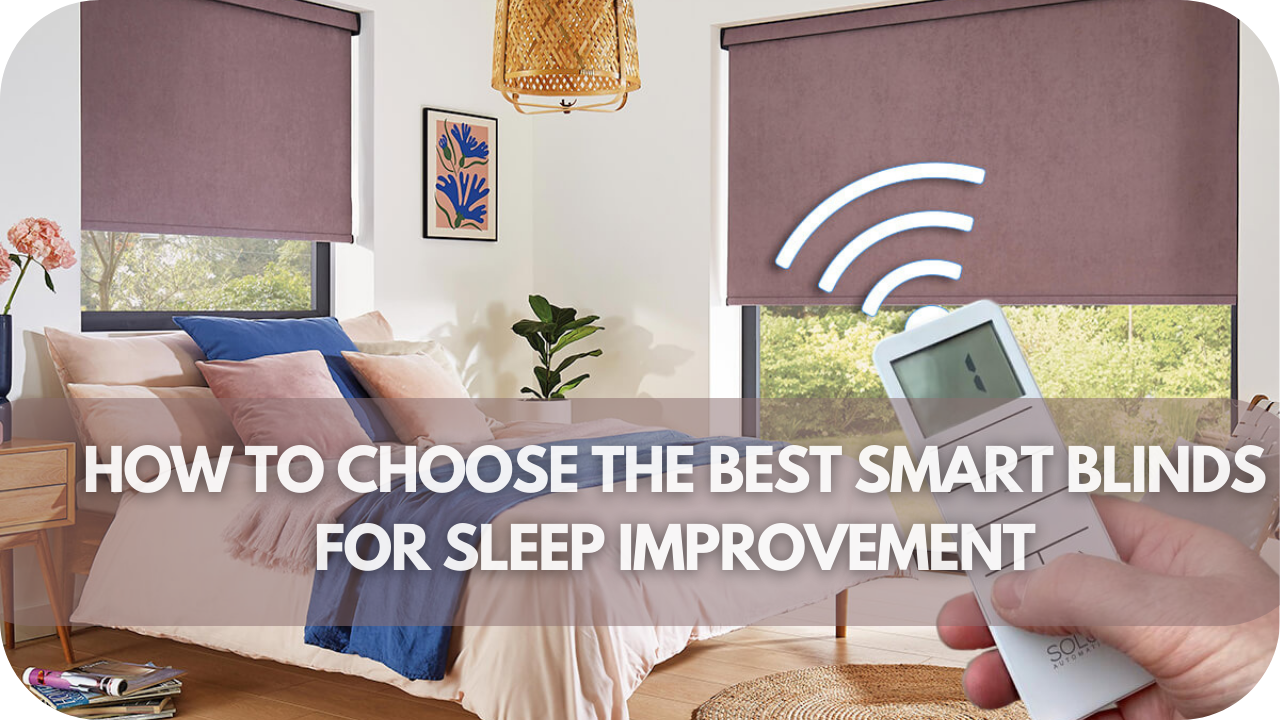
Finding the right smart blinds for sleep improvement involves considering several key factors contributing to better sleep quality.
First, ensure compatibility with your existing smart home system. Blinds integrating with platforms like Alexa, Google Assistant, or dedicated sleep apps provide added convenience and control.
This allows you to adjust settings with voice commands or sync with other devices for a seamless experience.
Next, focus on customisable scheduling and automation. The ability to programme the blinds to open and close at specific times based on your sleep routine is crucial for regulating light exposure.
Look for options that allow gradual transitions, such as slowly increasing morning light to wake you up gently and dimming in the evening to prepare for rest.
Consider light sensors and automated adjustments. Smart blinds with light sensors can adjust to changing daylight levels automatically, ensuring consistent lighting throughout the day. This feature helps prevent disruptive light from affecting sleep, maintaining a stable environment that promotes rest.
Lastly, prioritise quiet motor operation. Blinds operating silently are essential for a peaceful sleep environment, preventing noise disturbance when adjusting. This feature is particularly beneficial for light sleepers who are sensitive to sound.
Installing and Using Smart Blinds for Sleep Improvement
Proper installation of smart blinds is essential for creating a sleep-friendly environment. Start by placing them in areas like bedrooms, where light exposure significantly affects sleep.
Following manufacturer instructions carefully or opting for professional installation ensures smooth and reliable operation. After installation, connect the blinds to a compatible app or smart home system to enable automation.
Scheduling is crucial: set the blinds to open gradually in the morning, allowing natural light to aid wakefulness, and to close in the evening, reducing melatonin-disrupting light. For added convenience, many smart blinds include light sensors that adjust based on ambient light levels, maintaining a steady lighting environment ideal for rest.
Lastly, ensure your blinds have quiet motors to prevent disturbances during adjustment. When installed and set up effectively, smart blinds become a powerful tool for regulating natural light cycles, ultimately supporting a more restful and consistent sleep pattern.
FAQs About Smart Blinds and Sleep Disorders
1. How exactly do smart blinds help with sleep?
They control light exposure, which is crucial for regulating circadian rhythms. Opening in the morning to allow natural light and closing at night creates an environment that supports better sleep patterns.
2. Are smart blinds hard to install and use?
Installation varies depending on the model, but most are straightforward, with many options for DIY installation. For more complex setups, professional help ensures a seamless installation. Once set up, intelligent blinds are easily controlled via remote, smartphone app, or even voice commands if integrated with a smart home system.
3. Do they work automatically based on light conditions?
Yes, many smart blinds come equipped with light sensors that adjust automatically according to daylight levels, reducing disruptions. This feature benefits those with light-sensitive sleep issues, as it maintains stable lighting, minimising sleep disturbances.
Conclusion
Smart blinds can transform your sleep quality, creating an ideal environment by aligning with natural light cycles. These innovative blinds offer a simple yet powerful solution for anyone struggling with sleep disorders.
Embrace restful nights and energised days—invest in smart blinds today and take the first step toward better sleep and overall well-being.