Energy-Saving Window Furnishings and How They Can Save You Money

High energy bills are a common concern, often driven by inefficient windows and poor insulation.
Without effective window treatments, heat can escape in winter and enter in summer, leading to increased heating and cooling costs.
Energy-saving window furnishings offer a practical solution, improving insulation and reducing energy consumption. Explore how cellular shades and thermal curtains can significantly reduce bills and enhance home comfort.
How Window Furnishings Affect Energy Efficiency
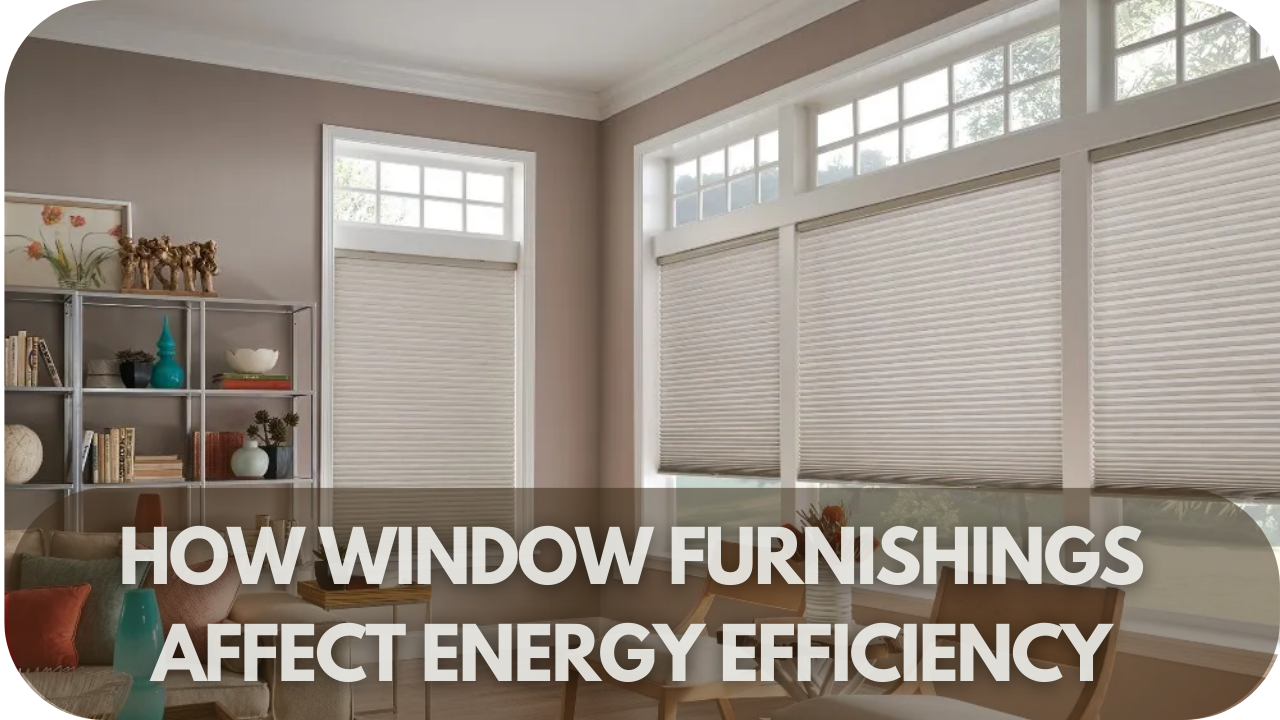
Window furnishings are critical in enhancing energy efficiency by regulating heat transfer and controlling light exposure.
Untreated windows can result in substantial heat loss during winter, while in summer, they can allow excess heat to enter, straining heating and cooling systems and increasing energy bills.
Energy-efficient window treatments like honeycomb blinds, thermal curtains, and solar shades add an insulating barrier that helps maintain stable indoor temperatures, reducing the need for heating or air conditioning.
Honeycomb blinds, for example, feature cellular structures that trap air, creating a layer of insulation which minimises heat transfer. This design helps keep warmth in during winter and blocks heat during summer.
Similarly, thermal curtains use layered fabrics to create a thermal barrier, helping to prevent heat loss through windows. On the other hand, solar shades reduce heat gain and block UV rays, making them ideal for rooms exposed to direct sunlight.
By reducing reliance on HVAC systems, these furnishings cut energy costs and support a sustainable, eco-friendly lifestyle.
Types of Energy-Saving Window Furnishings
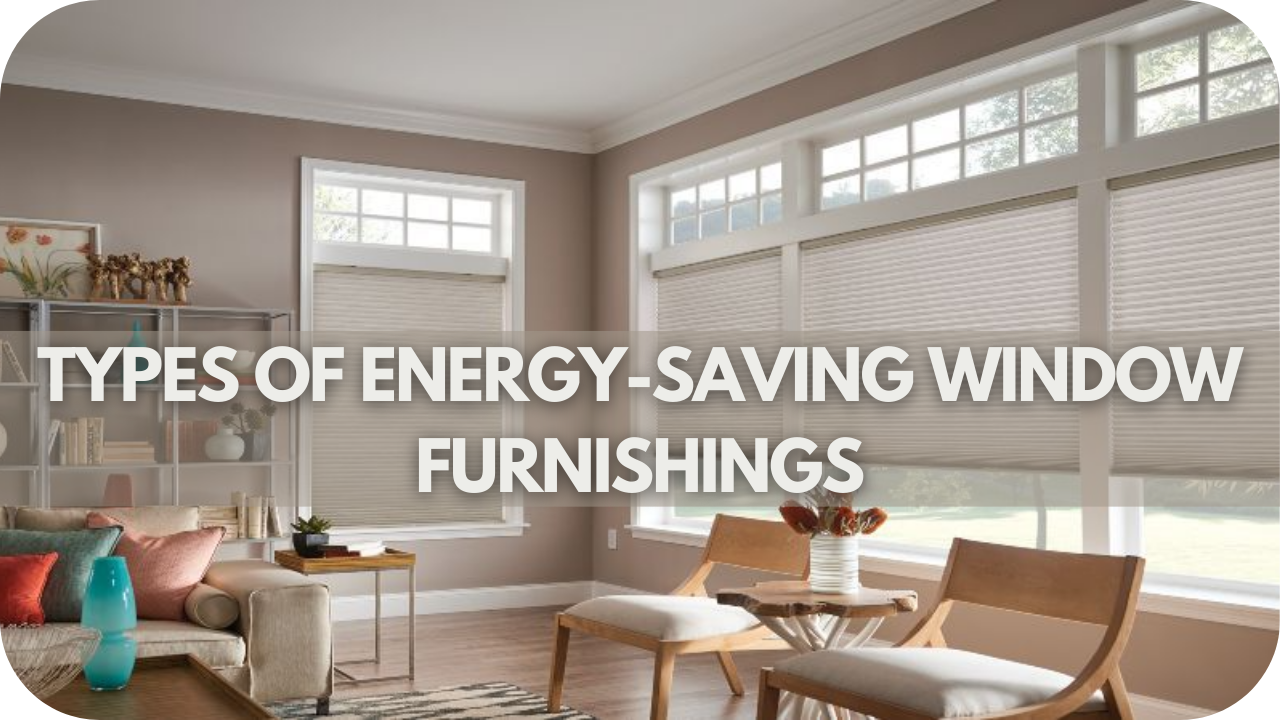
Choosing the right energy-saving window furnishings can drastically improve your home’s efficiency and comfort. Here are vital options to consider:
1. Honeycomb (Cellular) Blinds
Honeycomb blinds, also known as cellular shades, are highly effective for energy savings due to their unique structure. The honeycomb pattern forms pockets that trap air, creating an insulating layer that prevents heat transfer.
This insulation keeps rooms warmer in winter by retaining heat and cooler in summer by blocking out solar heat, thus minimising reliance on heating and cooling systems. Honeycomb blinds come in various options—single, double, or even triple-cell configurations—each level offering more excellent insulation, ideal for climates with temperature extremes.
2. Thermal Curtains
Thermal curtains are designed with multiple layers, including a core insulating layer that significantly reduces heat transfer through windows. In winter, they help retain indoor warmth, lowering heating needs, and in summer, they block excessive sunlight to keep interiors cool.
This insulation effect can reduce heat loss by up to 25%, providing energy savings and enhancing indoor comfort. Thermal curtains also offer additional benefits, such as sound reduction, making them ideal for busy urban environments.
3. Solar Shades
Solar shades are popular for spaces with abundant natural light. They block harmful UV rays while still allowing visibility and natural light to filter through. These shades are crafted from tightly woven fabrics that reduce glare and heat gain, preventing rooms from overheating, especially in summer.
Solar shades contribute to energy savings by minimising the need for air conditioning and help protect interior furnishings from fading due to sun exposure. Available in various “openness” levels, they offer different degrees of light filtration for optimal comfort.
4. Reflective Blinds
Reflective blinds utilise special coatings to reflect sunlight away from the windows, effectively reducing solar heat gain. During warmer months, this reflection keeps interiors cooler by bouncing sunlight off the blinds, lowering the need for air conditioning.
In colder months, reflective blinds can also retain warmth by acting as an insulating barrier, helping to maintain a consistent indoor temperature. They are adjustable, allowing users to balance privacy, light control, and energy efficiency, making them ideal for south—or west-facing windows.
5. Shutters
Shutters are a robust and stylish window treatment option with excellent insulation properties. Made from durable materials like wood or composite, shutters fit snugly against window frames to prevent drafts and reduce heat transfer.
Interior shutters, like Plantation Shutters, add insulation, while exterior shutters protect against weather extremes. Adjustable slats allow for controlled airflow and light, making shutters versatile and functional in any season. Their timeless aesthetic enhances home appeal while contributing to year-round energy savings.
Additional Benefits Beyond Energy Savings
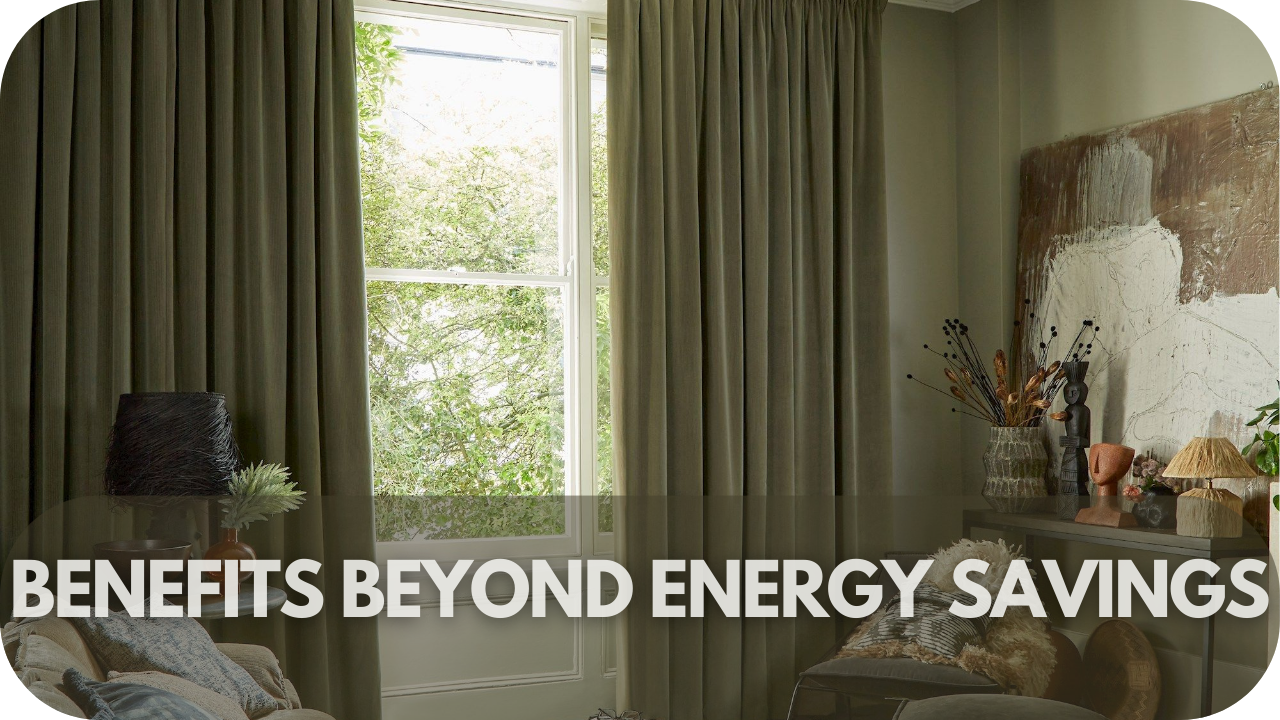
Energy-saving window furnishings provide various benefits beyond reducing energy costs. Here are some key advantages:
- UV Protection: Many energy-efficient window furnishings, like solar shades and thermal curtains, block harmful UV rays that can cause furniture, flooring, and artwork to fade over time. By minimising UV exposure, these treatments help preserve the condition and colour of interior furnishings, making them last longer.
- Noise Reduction: Certain energy-efficient window treatments, such as honeycomb blinds and thermal curtains, also offer sound-dampening properties. Their thick, layered materials absorb sound, reducing noise from outside. This is particularly beneficial for homes in urban areas, creating a quieter, more peaceful indoor environment.
- Enhanced Privacy and Light Control: Energy-efficient window furnishings offer various opacities and styles, enabling privacy without blocking natural light. Blackout shades or honeycomb blinds provide full privacy while conserving energy—ideal for bedrooms, bathrooms, and street-facing rooms where privacy is essential.
- Increased Property Value: Homes with energy-efficient features, including window treatments, often appeal more to eco-conscious buyers, potentially boosting property value. Energy-saving window furnishings indicate a commitment to sustainable living, which can be attractive in today’s real estate market.
- Improved Comfort: These furnishings contribute to a more stable indoor environment. Insulated shutters and thermal curtains prevent drafts and help maintain a comfortable temperature year-round, making your living spaces more enjoyable.
- Environmental Impact: Reducing energy consumption saves money and lessens your ecological footprint. Using less energy decreases greenhouse gas emissions, contributing to a more sustainable lifestyle.
- Cost Savings: Energy-saving window treatments enhance insulation, reducing the need for heating and cooling. This can lead to noticeable reductions in energy bills, particularly in extreme weather conditions. For example, cellular shades and thermal curtains help keep your home at a consistent temperature, lowering the strain on your HVAC system.
Choosing the Right Energy-Saving Furnishings
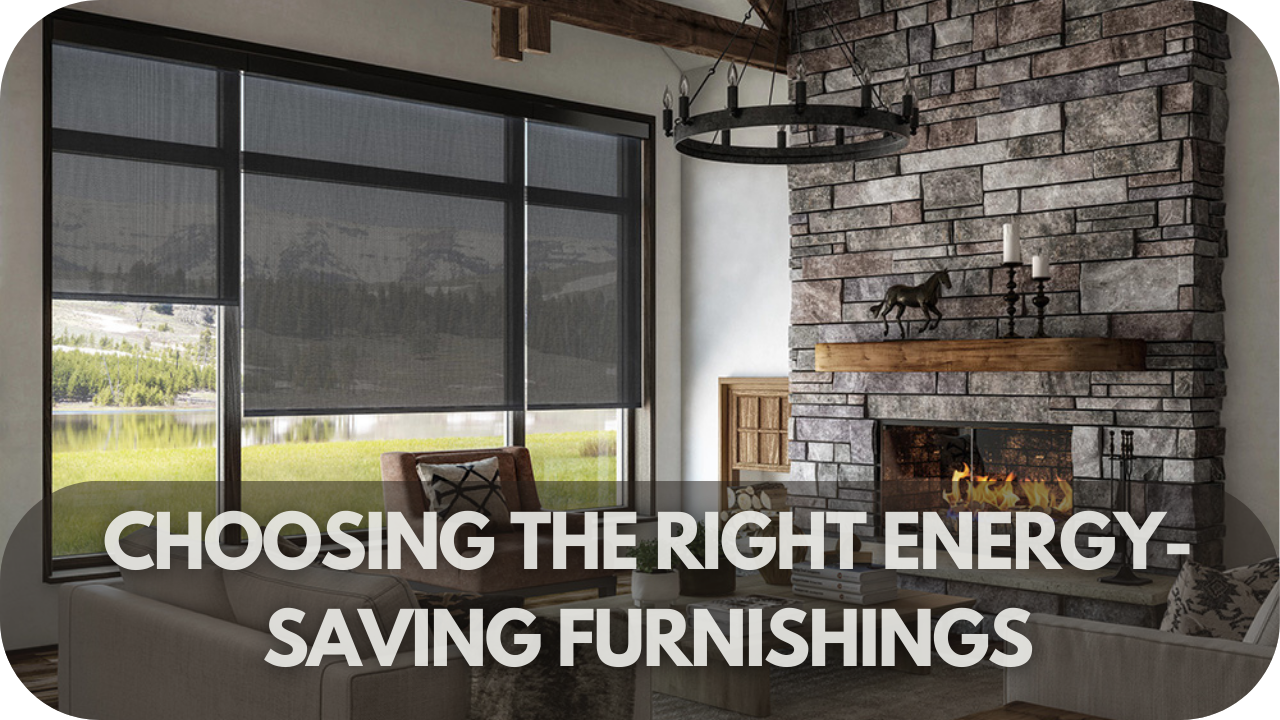
Selecting the appropriate energy-saving window furnishings involves assessing your specific needs and the characteristics of your home. Here’s how to make an informed choice:
- Evaluate Climate Requirements: For colder climates, choose window treatments with high insulation levels, like double or triple-cell honeycomb blinds, which trap more air and keep heat in during winter. In warmer climates, opt for solar shades or reflective blinds, which help block excess heat and UV rays, minimising the need for air conditioning.
- Determine Room Function and Light Needs: Each room has unique needs. Bedrooms and media rooms often benefit from blackout blinds, which provide complete darkness and privacy. At the same time, living spaces might need light-filtering shades that soften glare but still allow natural light, enhancing energy savings and comfort.
- Select Suitable Fabrics and Finishes: Rooms exposed to direct sunlight should use UV-protective fabrics to prevent fading. Moisture-resistant materials, like treated fabric or synthetic options, work best in high-humidity areas, such as bathrooms and kitchens, ensuring long-lasting durability and function.
- Choose Appropriate Opacity Levels: Energy-efficient blinds come in sheer, light-filtering, and blackout options. Sheer options suit common areas where soft light is needed, light-filtering fabrics work well in family rooms for balanced brightness, and blackout shades are perfect for bedrooms to ensure privacy and energy efficiency in all lighting conditions.
- Consider Motorisation and Automation: Motorised or automated window treatments can be adjusted according to the time of day or temperature, optimising energy savings by reducing heat gain during peak hours. Automated systems are ideal for hard-to-reach windows, adding convenience and energy efficiency.
- Coordinate Colours and Styles with Decor: Consider how the window furnishings complement your room’s style. Lighter shades can create an airy feel and reflect sunlight, helping rooms stay more relaxed, while darker tones add warmth and elegance, enhancing insulation in winter. Matching colours and styles ensure that energy-saving treatments also improve your home’s aesthetic.
Installation and Maintenance
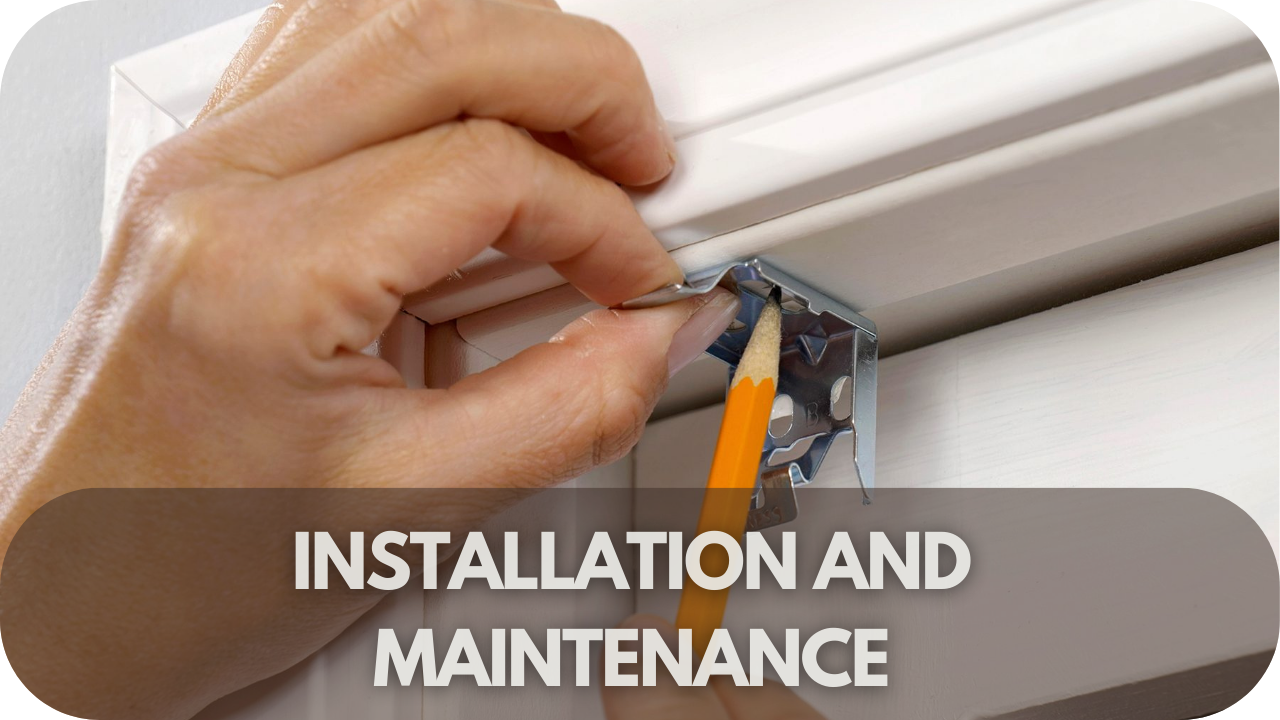
Proper installation and maintenance of energy-efficient window furnishings are crucial to maximise their effectiveness and lifespan. Here’s what to keep in mind:
Accurate measurements are essential for a perfect fit, as gaps around window furnishings can reduce their insulating abilities. When measuring, account for any obstructions and determine whether an inside or outside mount best suits your needs. An inside mount provides a sleek look, but an outside mount offers more comprehensive coverage, enhancing insulation.
Choose appropriate mounting hardware based on the weight and type of your window furnishings. Heavier options like thermal curtains may require additional support brackets. Follow manufacturer recommendations closely for motorised blinds, as the wiring and motor setup need precise installation to ensure smooth functioning.
To maintain functionality and appearance, dust blinds or shades weekly with a soft cloth or vacuum attachment. To prevent damage, use a mild solution for deeper cleaning and avoid harsh chemicals, especially for UV-protective or treated fabrics. This upkeep extends their life and maintains their energy-saving benefits.
If you use motorised blinds, check battery levels or motor function regularly, especially if they are used frequently. Automated systems can sometimes develop issues if not maintained; avoid manual adjustments to prevent motor strain and consider periodic servicing.
Inspect for any signs of wear, such as loose fittings or faded materials, and repair as necessary. Adjust blinds seasonally—closing them during the day in summer to block heat or opening them in winter for sunlight—to maximise energy efficiency according to the season.
If cords are involved, secure them with cleats, particularly in homes with children or pets. Alternatively, cordless or motorised options are for added convenience and safety, preventing accidents and creating a sleek, tangle-free look.
These steps ensure energy-saving window furnishings remain effective, safe, and aesthetically pleasing, contributing to long-term energy efficiency and home comfort.
Conclusion
Choosing the right energy-saving window furnishings can significantly lower energy bills and enhance comfort. Invest in high-quality options like cellular shades or thermal curtains for maximum efficiency.
Ready to transform your home? Explore our range of energy-efficient window treatments today and start saving!