Do Roller Blinds Provide Good Insulation?

Have you ever wondered if your roller blinds secretly do double duty as insulation? I get it as someone who once cranked the heater to “tropical” in winter.
But here’s the thing—your blinds might just save you from sky-high energy bills. This post will uncover whether roller blinds provide good insulation and how they can help keep your home cosy without breaking the bank.
Stick around to learn some practical tips and energy-saving insights—you’ll thank your blinds later!
Do Roller Blinds Provide Good Insulation?
Roller blinds can provide good insulation, especially from thermal or blackout materials. These energy-efficient blinds help reduce heat loss in winter and block out excess heat in summer, improving temperature control in your home. Roller blinds can enhance comfort and lower energy bills by adding an insulating layer to your windows.
Types of Roller Blinds That Provide Good Insulation
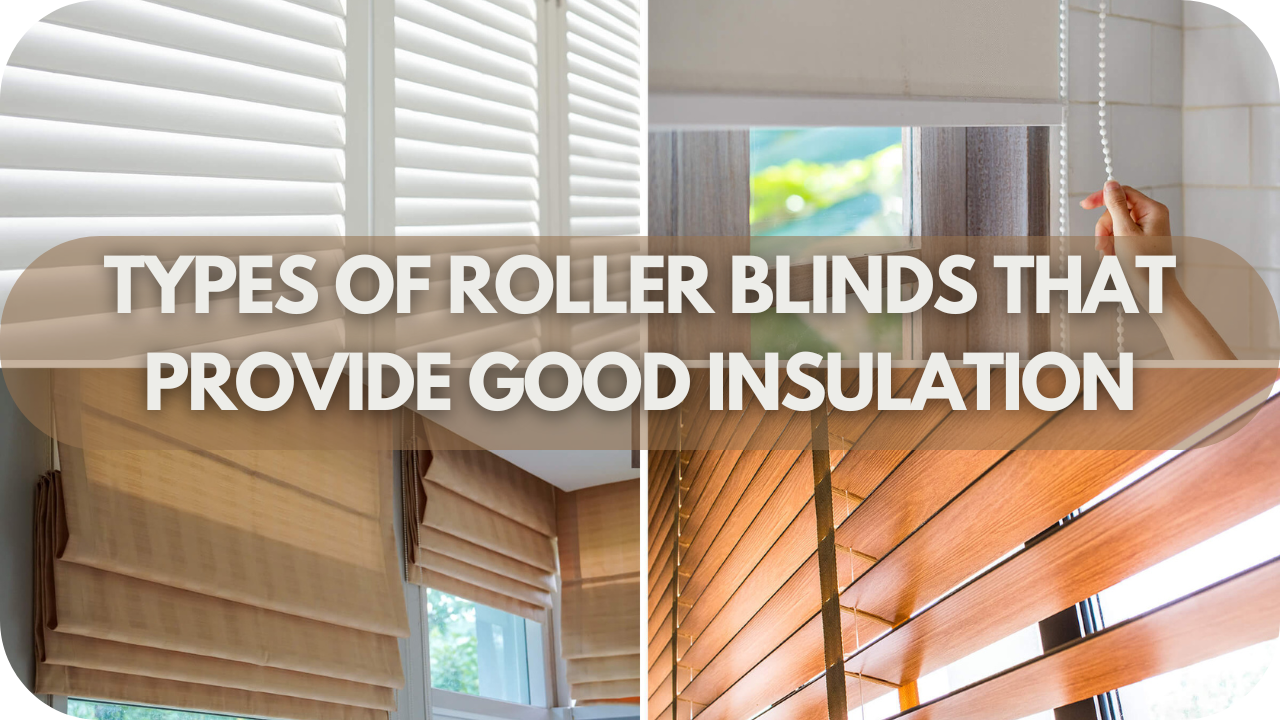
Not all roller blinds are created equal in terms of insulation, but some are designed specifically to keep your home cosy in winter and cool in summer.
1. Thermal roller blinds
Thermal roller blinds aren’t just a stylish addition to your home—they’re a powerful tool for boosting insulation. Made with a special backing that helps regulate indoor temperatures, these blinds trap heat inside during winter and keep it out during summer. The result? A more comfortable living space all year round and lower energy bills to match.
Designed with layers of insulating material, thermal roller blinds form a barrier against window draughts and heat loss. They help maintain a warm indoor temperature in colder months by minimising heat escape.
Meanwhile, they reflect sunlight during warmer months, preventing your rooms from overheating. This dual functionality makes them an ideal solution for improving energy efficiency.
These blinds are also incredibly versatile and available in various fabrics and styles to complement any décor. Whether you’re looking to reduce your heating costs or improve your home’s energy performance, thermal roller blinds offer an affordable and effective option that doesn’t compromise aesthetics.
2. Blackout roller blinds
Blackout roller blinds offer more than complete darkness; they also provide effective insulation. Crafted from thick, tightly woven fabrics, they are designed to block out sunlight entirely while also reducing heat transfer. This makes them an excellent choice for keeping rooms cool in the summer by preventing solar heat gain and retaining warmth during colder months.
Their insulating properties come from the density of the fabric, which acts as a barrier against draughts and window heat loss. By effectively limiting the air passing through the window, blackout blinds help regulate the indoor temperature, making your home more energy efficient. These blinds are ideal for bedrooms, living rooms, and home theatres where light control and insulation are important.
In addition to their functional benefits, blackout roller blinds are available in various colours and patterns, so you don’t have to sacrifice style for practicality. Whether you need better light control or an extra insulation layer, blackout roller blinds offer a versatile and energy-efficient solution for any space.
3. PVC or vinyl roller blinds
PVC and vinyl roller blinds are a durable and practical option for homes looking to improve insulation while maintaining a sleek, easy-to-clean aesthetic. Made from moisture-resistant materials, these blinds are perfect for rooms like kitchens and bathrooms, where humidity can be an issue. Regarding insulation, PVC and vinyl blinds effectively reduce heat transfer, helping to keep indoor temperatures stable.
Their thick, non-porous surface creates a barrier that minimises heat loss during colder months and reflects sunlight in the summer, preventing rooms from overheating. While they may not offer the same high level of insulation as specialised thermal blinds, they still contribute to energy efficiency, particularly in areas where durability and moisture resistance are key factors.
Available in various styles and finishes, PVC and vinyl roller blinds are versatile solutions that match any décor without compromising functionality. These blinds are a solid choice for homeowners seeking low-maintenance, affordable window treatments that provide decent insulation.
How Do Roller Blinds Contribute to Insulation?
Roller blinds might not have superpowers, but they do an excellent job of insulating your home. Thanks to their close fit to the window, they create an additional layer that helps to trap air between the fabric and the glass. This barrier reduces heat loss in the winter and keeps out excessive heat during summer.
Opting for thermal or blackout roller blinds takes it further, as these materials are designed to improve insulation.
The key lies in the materials—PVC and other thicker fabrics act as a thermal barrier, blocking drafts and reducing energy consumption. The result? A cosier room and a lighter energy bill.
And if you’re thinking of motorised options, they can improve insulation by being perfectly fitted and easily adjusted for the best energy efficiency throughout the day.
So, while roller blinds can’t fully replace wall insulation, they’re a practical and stylish way to help manage your home’s temperature with minimal effort—plus, they’ll make your heating system breathe a little easier!
Benefits of Roller Blinds for Temperature Control
Regarding temperature control, roller blinds offer more than just a sleek look—they’re a practical solution for keeping your home comfortable. These blinds provide an effective barrier against external elements, helping to regulate indoor temperatures.
Here are some of the benefits:
- Effective insulation: Roller blinds create a barrier against external temperatures, trapping warm air inside during winter and keeping heat out in summer.
- Thermal roller blinds: Specifically designed for insulation, they reduce heat transfer through windows, enhancing energy efficiency.
- Blackout roller blinds: These blinds block out nearly all sunlight, preventing rooms from overheating and maintaining cooler indoor temperatures.
- Sunlight regulation: Roller blinds block direct sunlight, preventing heat build-up during peak hours and reducing the need for air conditioning.
- Draft prevention: Roller blinds can help minimise draughts from windows, contributing to a more stable indoor climate, especially in older homes.
- UV protection: They control heat and protect furniture and flooring from harmful UV rays.
- Easy adjustability: Roller blinds can be raised or lowered easily, allowing you to fine-tune the temperature and lighting in your home.
- Energy savings: By improving temperature regulation, they reduce the reliance on heating and cooling systems, lowering energy consumption and utility bills.
- Moisture-resistant options: Some roller blinds are moisture-resistant, making them ideal for bathrooms and kitchens where temperature and humidity fluctuations occur.
- Customisable styles: Roller blinds can be customised in various colours and fabrics to match your home’s aesthetic while delivering temperature control benefits.
Energy Savings and Cost Efficiency of Roller Blinds
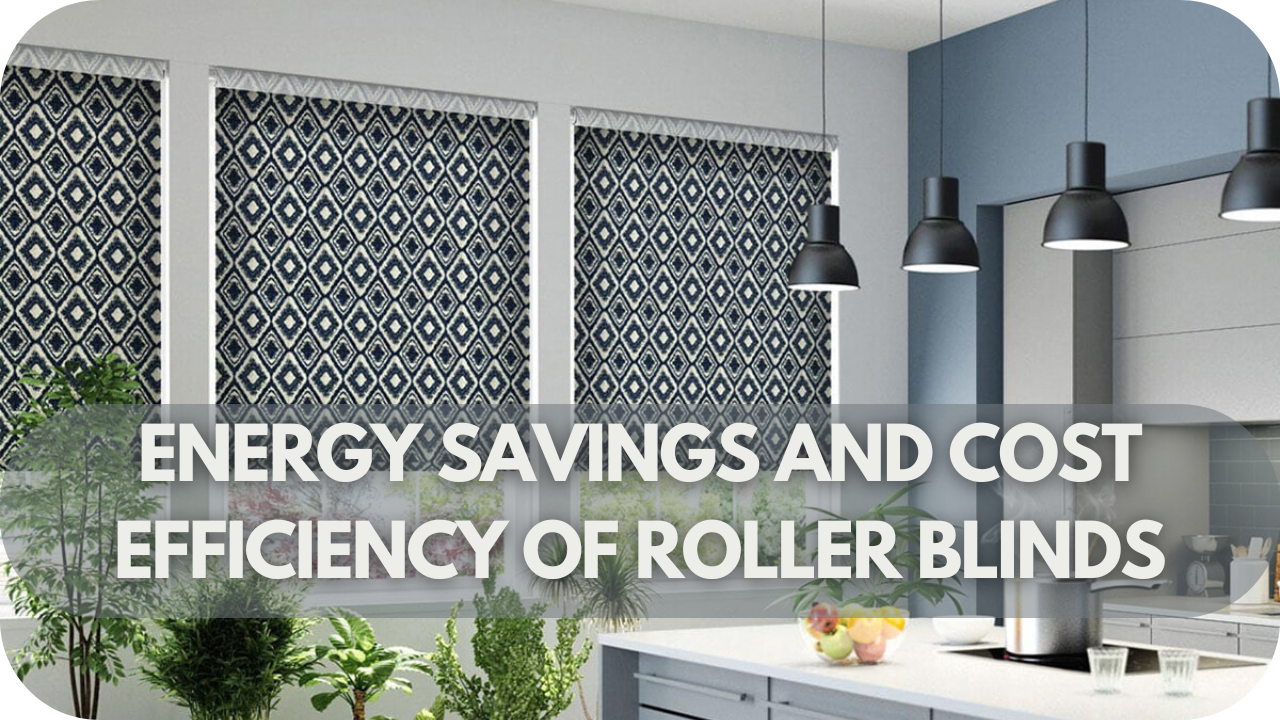
Looking to cut your energy bills without freezing in winter or sweating through summer? Roller blinds are your secret weapon. These stylish and highly energy-efficient blinds help regulate indoor temperatures and reduce the need for excessive heating or cooling.
Their snug fit against the window creates a thermal barrier, which helps retain warmth during colder months and blocks out heat when the sun’s blazing.
Thermal roller blinds, in particular, are designed to enhance insulation, meaning your home stays comfortable without overworking your heating or air conditioning. This can lead to noticeable savings on your energy bills over time. And here’s the best part—they’re cost-effective in the long run.
The initial investment in quality roller blinds is often offset by the reduction in energy consumption, especially if you’re paying peak rates.
Choosing the Best Roller Blinds for Insulation
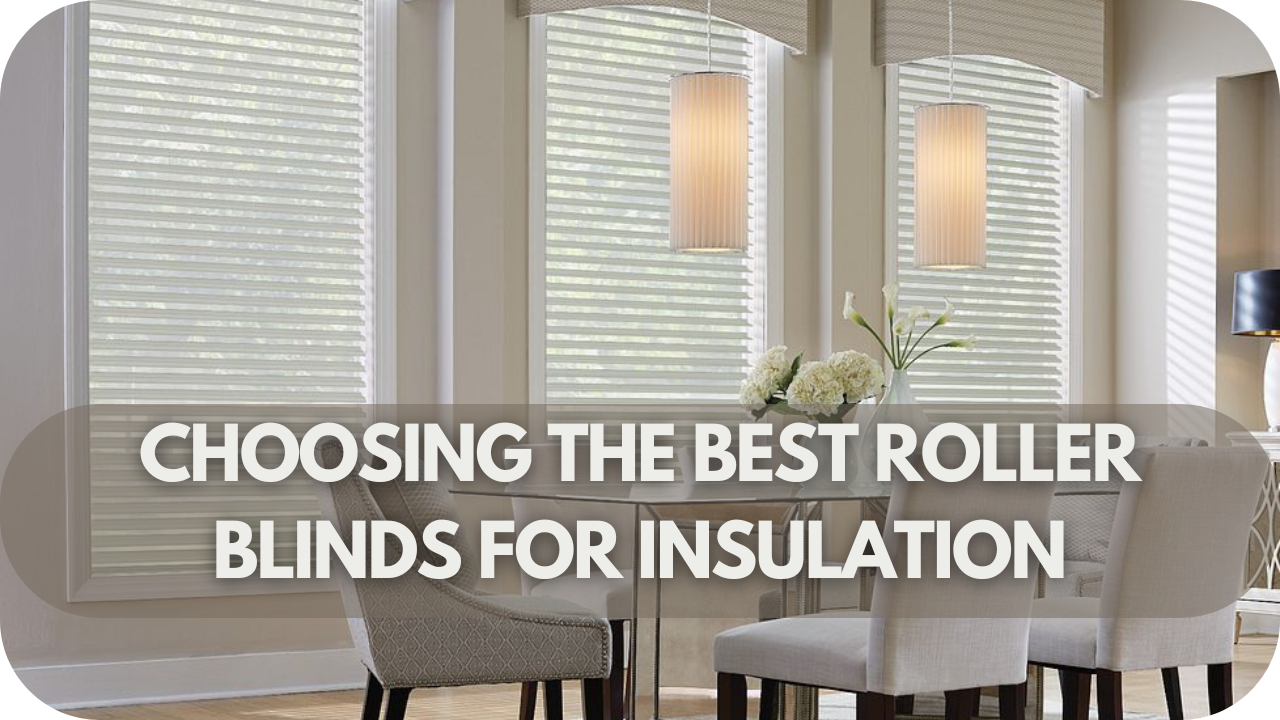
Not all roller blinds are equal regarding insulation, so choosing the right ones can improve your home’s energy efficiency.
If you want to keep your home snug in winter and cool in summer, start by selecting thermal roller blinds. These are designed explicitly with insulating materials like thick fabrics or layers that trap air and reduce heat transfer.
Blackout roller blinds are another great option, particularly for rooms where you want to block out sunlight entirely. Their dense fabric darkens the room and helps prevent heat from escaping during cold weather.
Material matters too—opt for PVC or vinyl-coated fabrics, which are excellent at providing an additional thermal layer. These materials are also moisture-resistant, perfect for high-humidity areas like bathrooms and kitchens.
Finally, make sure the blinds are a close fit to the window to minimise air gaps, which can reduce their insulating effect. The right roller blinds can significantly improve your home’s temperature control, lower energy bills, and enhance overall comfort—talk about a win-win!
Additional Tips for Maximizing the Insulating Power of Roller Blinds
Even with roller blinds designed for insulation, a few extra tricks can help you get the most out of their energy-saving potential. Below are some additional tips for maximising the insulating power of roller blinds:
- Ensure a snug fit: Your roller blinds should fit closely to the window frame to minimise air gaps and prevent drafts.
- Use side channels or tracks: These additions seal the edges of the blinds, enhancing insulation by blocking more heat and cold.
- Pair with curtains or pelmets: Combining roller blinds with curtains or pelmets adds an extra layer of insulation, which is helpful during colder months.
- Choose thermal or blackout materials: To enhance the blinds’ energy-saving performance further, opt for insulation-designed materials.
- Professional installation: Having a professional install your blinds ensures maximum coverage and minimal gaps, improving their insulating power.
- Close blinds during peak hours: To maintain optimal indoor temperatures, close your blinds during hot summer afternoons or cold winter nights.
FAQs
1. Do roller blinds help keep heat in during winter?
Yes, thermal and blackout roller blinds create a barrier that reduces heat loss.
2. Can roller blinds block heat in summer?
Yes, roller blinds, notably blackout or reflective types, block sunlight and help keep rooms more relaxed.
3. What are the best roller blinds for insulation?
Thermal and blackout roller blinds are the best options for insulation, offering effective temperature control.
4. How do roller blinds compare to other insulating window treatments?
Roller blinds offer good insulation but may not be as effective as honeycomb blinds, which have superior insulating properties.
Conclusion
Roller blinds are more than just window dressings—they’re a practical solution for keeping your home energy-efficient and comfortable year-round. With thermal and blackout options, you can boost your home’s insulation and reduce heating and cooling costs.
Take control of your home’s comfort today. Start by choosing roller blinds that work for you. Check out our options now!