The Art of Layering Window Coverings: Creating a Designer Look
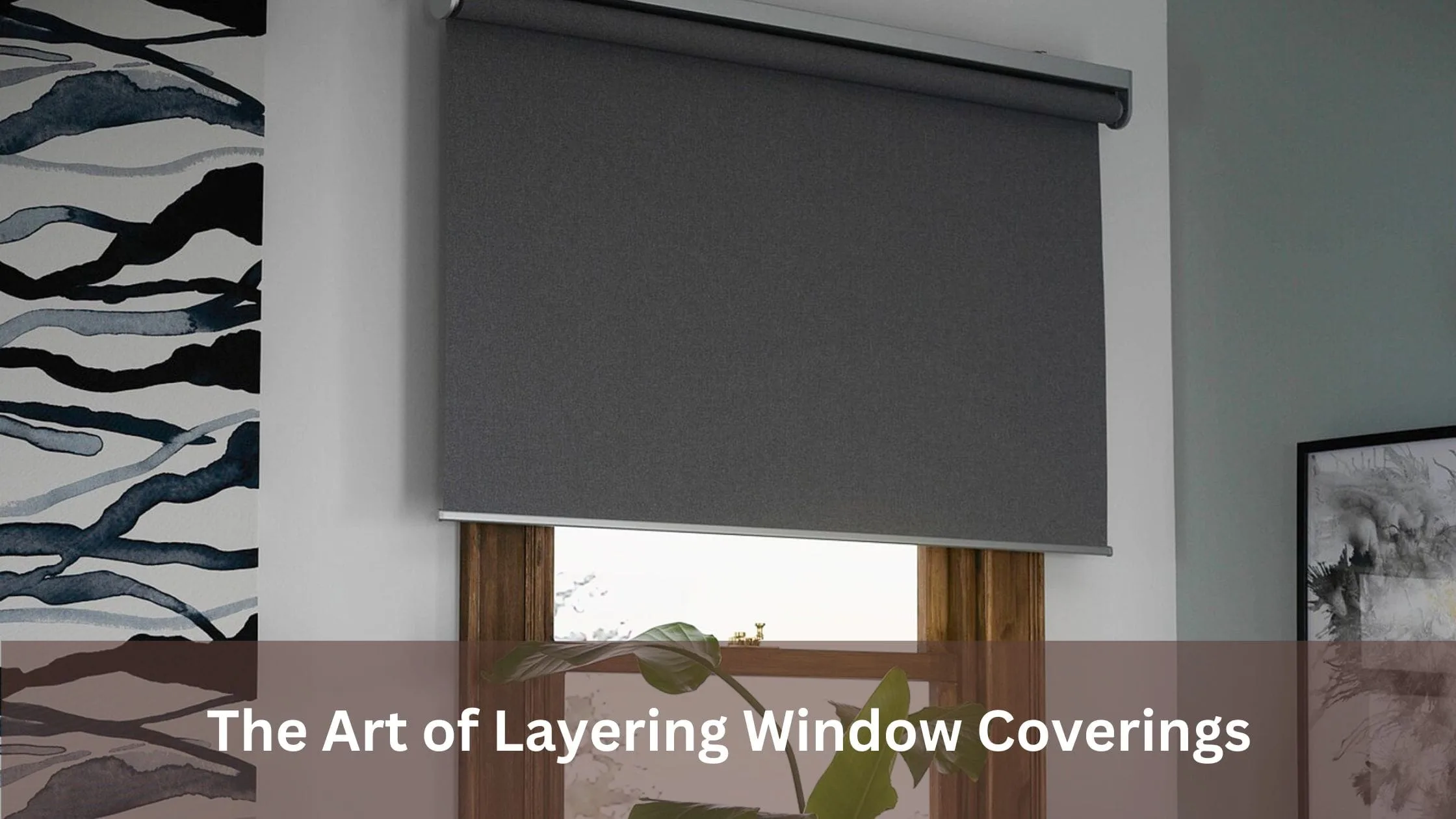
Struggling to achieve a polished, designer look with your window coverings?
Single-layer window treatments often lack style, light control, and privacy, leaving rooms looking unfinished.
Discover the art of layering window coverings to transform your space. Our comprehensive guide will show you how to combine different types and styles for enhanced aesthetics, functionality, and comfort.
Benefits of Layering Window Coverings
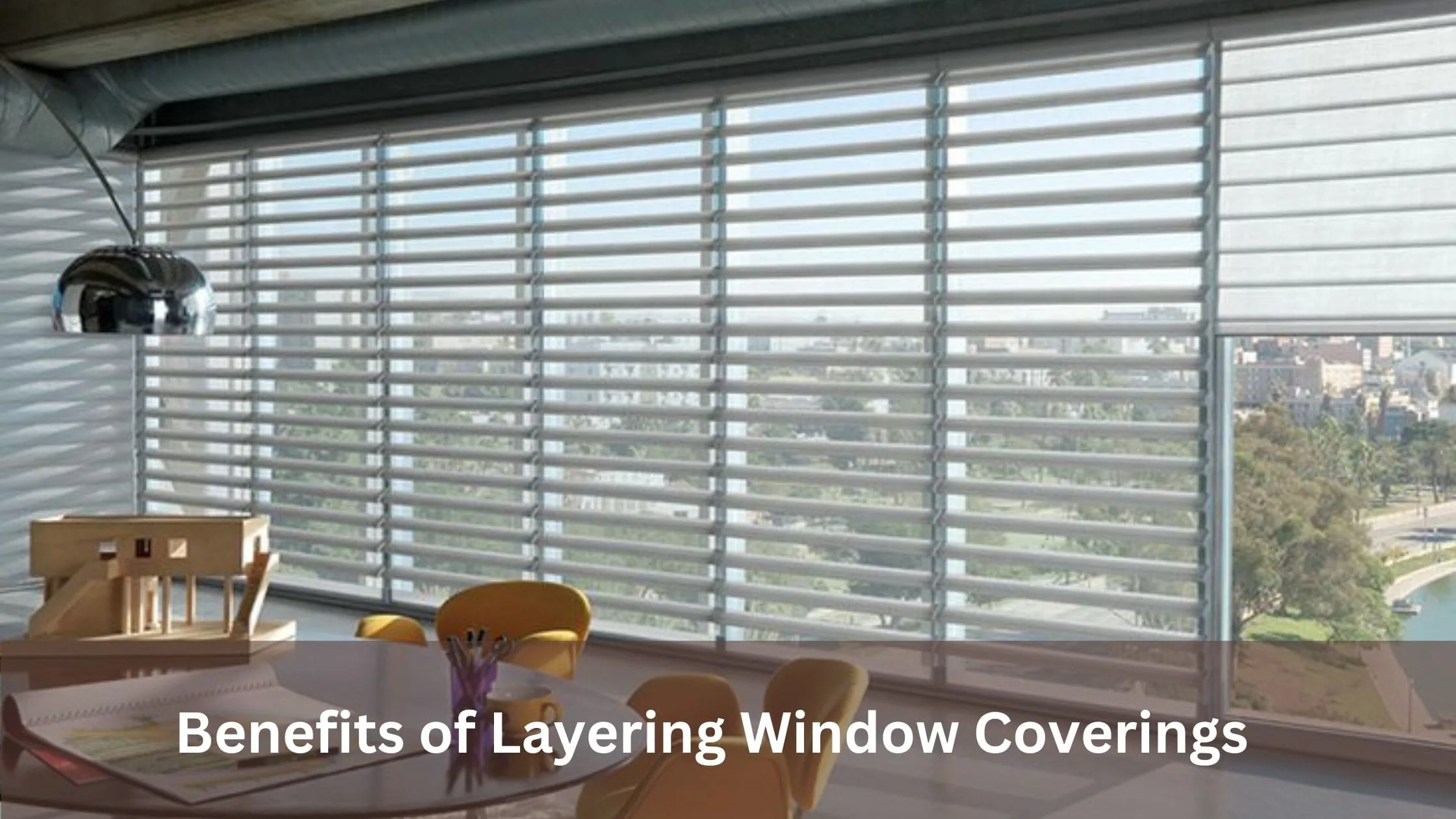
Layering window coverings offer multiple benefits, transforming your space’s functionality and aesthetics.
Here’s why you should consider this design technique:
- Enhanced Aesthetics: Layering creates a wealthy, designer look that adds depth and texture to your interiors. Combining different fabrics, colours, and patterns can make your windows a focal point, enhancing the overall decor.
- Improved Light Control: Layered window treatments can help you better manage natural light. Sheer curtains can filter light softly during the day, while heavier drapes or blinds provide full blackout options when needed, perfect for bedrooms or media rooms.
- Increased Privacy: Layered coverings offer enhanced privacy. Use sheer curtains to maintain light while obscuring views from outside, and add heavier drapes or blinds for complete privacy when desired.
- Added Insulation and Energy Efficiency: Combining multiple layers can improve insulation. Heavy drapes over blinds or shades can keep your home warmer in winter and cooler in summer, reducing energy bills and enhancing comfort.
- Versatility: Layered window coverings provide flexibility. You can easily change the look and function by swapping out one layer, adapting to seasonal changes or redecorating efforts without a complete overhaul.
Types of Window Coverings to Layer

Layering different window coverings can create a stunning designer look while enhancing functionality. Here’s a detailed look at the most popular options:
1. Curtains and Drapes
Curtains and drapes are essential in layering window coverings, adding functionality and style to any space.
Curtains are typically made from lighter fabrics, such as linen or cotton, allowing natural light to filter through while providing privacy.
Drapes, on the other hand, are heavier and often lined, offering better insulation and light-blocking properties.
When choosing curtains or drapes, consider the overall aesthetic of your room. Opt for neutral tones for a timeless look or bold patterns for a statement.
The length of your curtains also plays a crucial role; floor-length curtains can create a sense of grandeur, while shorter curtains offer a more casual vibe.
To enhance the visual appeal, consider layering curtains or drapes with other window treatments, such as blinds or shades. This adds depth and dimension to your windows, allowing you to control light and privacy easily.
Invest in high-quality curtain rods and hardware to ensure smooth operation and longevity. Whether you prefer classic rod-pocket curtains or modern eyelet designs, selecting the proper hardware can elevate the overall look of your window treatments.
2. Blinds
Blinds are versatile window coverings that offer both style and practicality. They provide precise control over light and privacy and are available in wood, aluminium, or PVC materials.
Venetian blinds consist of horizontal slats that can be tilted to regulate light and airflow, while vertical blinds feature vertical slats that can be adjusted for the same purpose. On the other hand, roll blinds are made of a single piece of fabric that can be rolled up or down to cover the window.
Consider the material of the blinds to complement your interior decor; wooden blinds add warmth and texture, while aluminium blinds offer a sleek and modern look.
3. Shades
Shades are versatile window coverings that add a touch of elegance and functionality to any room.
Shades are available in various styles, including Roman, cellular, and roller, offering privacy, light control, and insulation.
Roman shades feature soft fabric panels that fold neatly when raised, creating a tailored and sophisticated look. Cellular shades, also known as honeycomb shades, are constructed with pleated, honeycomb-shaped cells that trap air, providing insulation and energy efficiency.
Roller shades consist of a single fabric that rolls up and down, offering simplicity and versatility. They come in light-filtering and blackout options, allowing you to adjust the light level entering your space.
Choose shades in textures, patterns, and colours that complement your interior decor. Opt for light-filtering fabrics to diffuse sunlight while maintaining privacy, or select blackout shades for rooms where light control is paramount, such as bedrooms or home theatres.
4. Shutters
Shutters offer a timeless and elegant solution to window coverings, combining practicality with aesthetic appeal. Typically made from wood, vinyl, or composite materials, shutters are available in various styles, including plantation, traditional, and café.
Plantation shutters, with their wide louvres, allow for flexible light control and provide a classic, sophisticated look to any room.
Traditional shutters feature smaller louvres and offer a more conventional, formal appearance. Café shutters, covering only the bottom half of the window, offer privacy while allowing light to filter through.
Shutters are highly durable and easy to maintain, making them a long-term investment for your home. They also offer insulation benefits, helping to regulate temperature and reduce energy costs.
5. Valances and Cornices
Valances and cornices are decorative window treatments that add flair and elegance to your windows.
Valances are fabric treatments that hang across the top of a window, while cornices are complex, box-like structures mounted above the window frame.
Valances come in various styles, including swag, scarf, and tailored. They can be used alone or layered over curtains or blinds to add colour or pattern to your decor.
Cornices, on the other hand, provide a more structured and architectural look to your windows, often complementing the overall design theme of the room.
When choosing valances or cornices, consider the fabric, colour, and design best suits your space. Opt for lightweight fabrics like cotton or linen for a casual look, or choose luxurious materials like silk or velvet for a more formal appearance.
How to Layer Window Coverings
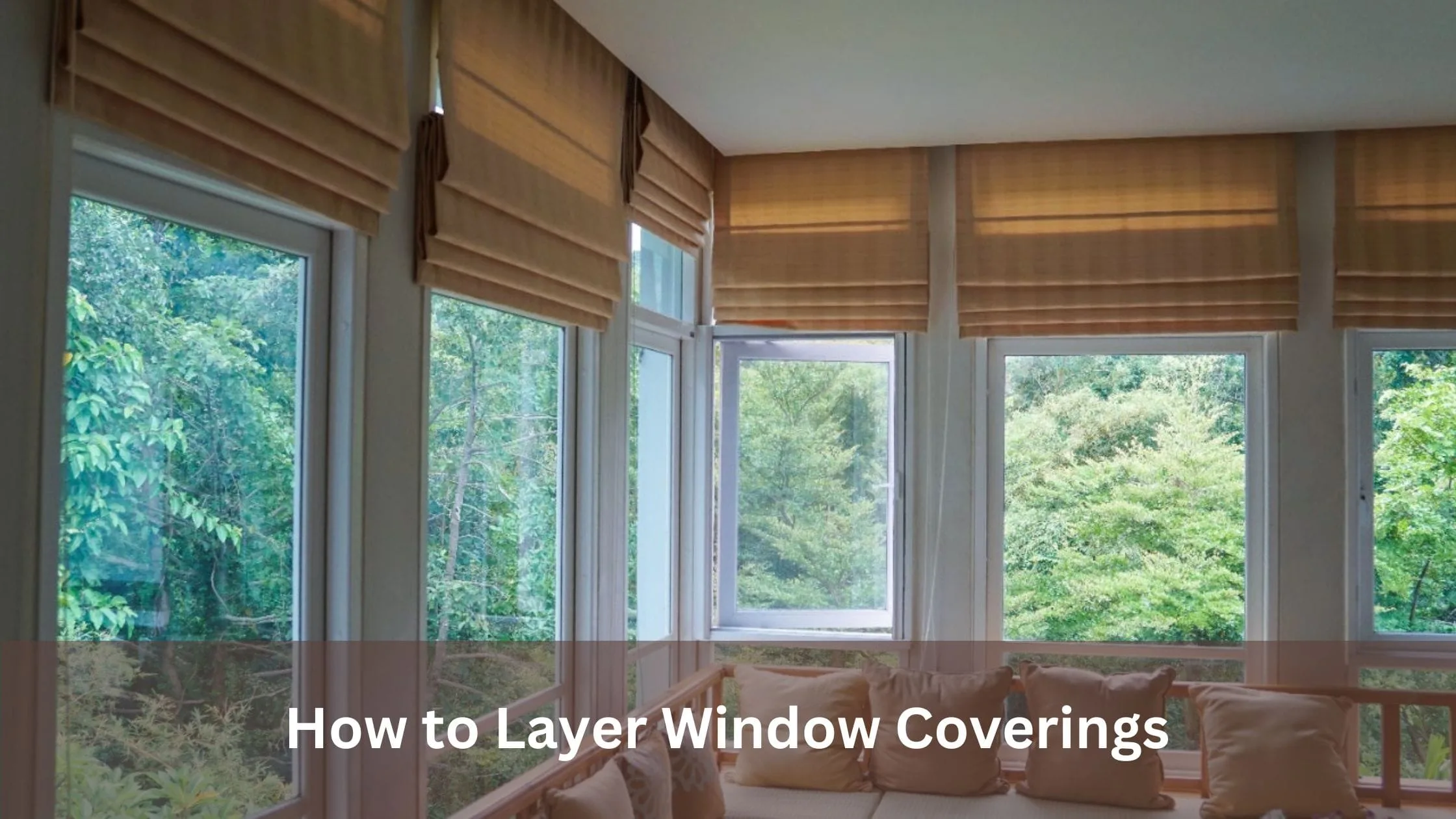
Creating a designer look with layered window coverings involves a thoughtful combination of treatments. Here’s a step-by-step guide to achieve this stylish and functional approach:
1. Choose the Base Layer
Selecting the base layer of your window coverings is crucial as it sets the foundation for your entire design scheme.
Consider the base layer’s functionality, aesthetic appeal, and light control.
Options for the base layer include blinds, shades, or shutters. Blinds offer precise control over light and privacy and are available in materials ranging from wood to aluminium.
Shades come in various styles, like Roman or roller, providing light filtering and insulation versatility.
Shutters offer a timeless and elegant look, with options such as plantation or traditional styles.
Consider the room’s purpose and decor style when selecting the base layer. For example, opt for blackout shades in bedrooms for better sleep quality or wooden shutters for a classic and sophisticated look in a living room.
2. Add the Secondary Layer
The secondary layer of window coverings introduces depth and sophistication to your space. Considerations for this layer include both aesthetic appeal and functional benefits. Select curtains, blinds, or shades based on style and practical needs.
Curtains in complementary colours or patterns add refinement, while sheer fabrics allow natural light.
Wooden blinds provide warmth; roller blinds offer modernity; shades vary in light control and insulation. Ensure harmony between layers by coordinating colours and textures. Experiment with layering techniques to achieve the desired ambience.
3. Incorporate Heavier Curtains or Drapes
Incorporating heavier curtains or drapes into your window treatment ensemble adds a luxurious touch and serves practical purposes.
Choose fabrics like velvet, brocade, or heavy cotton for their weight and opulence. These materials provide excellent insulation, keeping warmth in during winter and blocking out light for better sleep quality.
Consider the length and fullness of the curtains to achieve a designer look. Floor-length curtains elongate the room and create a sense of grandeur, especially when they pool slightly on the floor.
Opt for more comprehensive panels for generous gathers when drawn, adding depth and dimension to your windows.
Pair heavier curtains with a lighter, sheer layer underneath to enhance the visual impact. This combination adds texture and depth to your window treatment while maintaining versatility in light control throughout the day.
4. Final Decorative Touches
The secondary layer of window coverings introduces depth and sophistication to your space. Considerations for this layer include both aesthetic appeal and functional benefits.
Select curtains, blinds, or shades based on style and practical needs. Curtains in complementary colours or patterns add refinement, while sheer fabrics allow natural light. Wooden blinds provide warmth; roller blinds offer modernity; shades vary in light control and insulation.
Ensure harmony between layers by coordinating colours and textures. Experiment with layering techniques to achieve the desired ambience.
Tips for Effective Layering
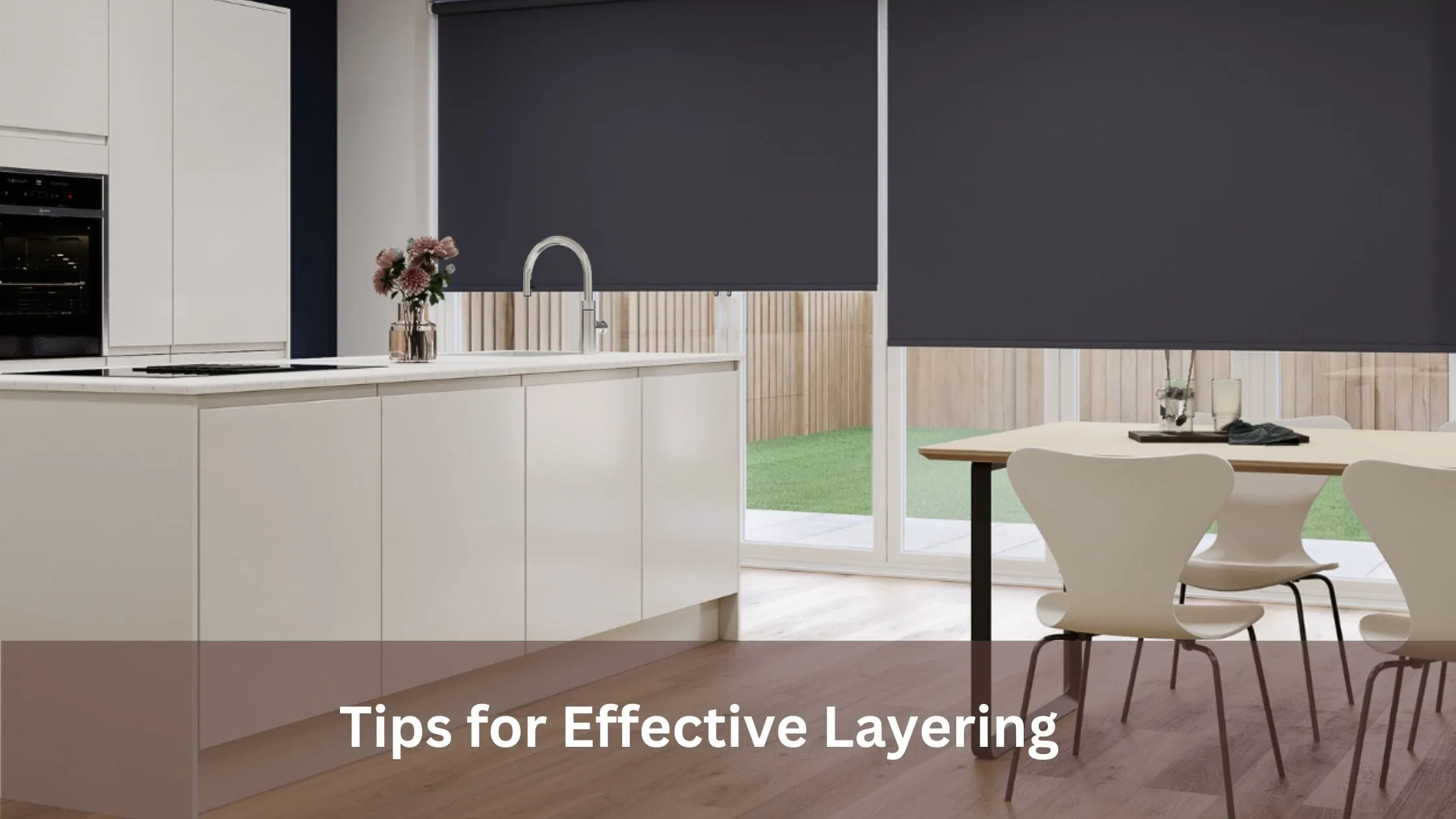
Effective layering of window coverings is critical to achieving a designer look that enhances your space.
Follow these tips to master the art of layering and create a stylish and functional window treatment.
- Consider Functionality: Start by assessing your privacy, light control, and insulation needs. Choose window coverings that offer the desired level of functionality for each layer, ensuring they meet both practical and aesthetic requirements.
- Coordinate Fabrics and Textures: Select fabrics and textures that complement each other and add depth to your design. Mix and match materials like sheer fabrics, heavier drapes, and blinds or shades to create visual interest and dimension.
- Layer in Stages: Build your window treatment in layers, starting with the base layer and adding secondary and decorative layers as needed. This step-by-step approach balances functionality and aesthetics while carefully achieving a cohesive look.
- Experiment with Colour and Pattern: Have fun with colour and pattern combinations to add personality and style to your window coverings. Mix bold patterns with neutral tones or complementary hues to create visual interest without overwhelming the space.
- Customise to Your Space: Tailor your layered window coverings to suit the specific characteristics of your room, including its layout, decor style, and natural light conditions. Customisation ensures a unique and cohesive look that enhances your overall design scheme.
Design Ideas for Layering Window Coverings
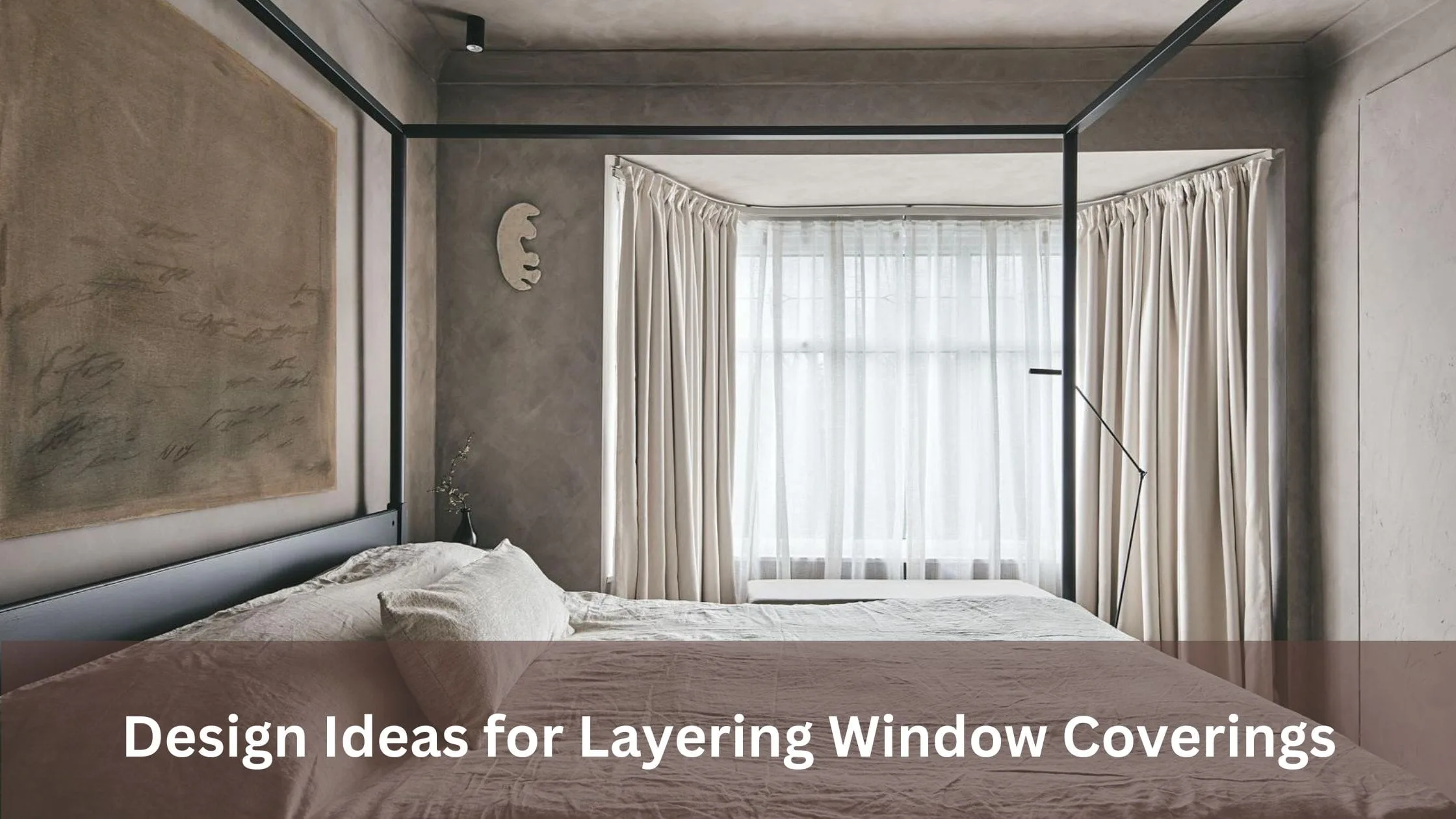
Layering window coverings can dramatically enhance the style and functionality of any room.
Here are some design ideas to inspire your interior transformation:
- Living Room Elegance: Combine sheer curtains with heavy drapes for a sophisticated look. Start with sheer curtains to filter natural light and add a soft touch. Layer with luxurious velvet or silk drapes for added privacy and insulation. Choose complementary colours to match your décor, such as neutral sheers paired with deep, rich drapes.
- Bedroom Comfort: Layer blackout shades with decorative curtains for a restful and stylish bedroom. Blackout shades ensure complete darkness for a good night’s sleep. Add a layer of patterned or textured curtains to bring warmth and personality to the space. Opt for calming colours like blues or greys to create a serene atmosphere.
- Kitchen Practicality: Consider moisture-resistant roller shades paired with café curtains in the kitchen. Roller shades offer easy light control and privacy, while café curtains add a charming touch without obstructing the entire window.
- Home Office Efficiency: Optimise your home office with cellular shades layered under Roman blinds. Cellular shades provide excellent insulation and light control, while Roman blinds add a tailored, professional look.
- Bathroom Chic: Layer shutters with sheer curtains for a stylish and functional bathroom window treatment. Shutters offer privacy and moisture resistance, while sheer curtains add a decorative element without compromising light.
Common Mistakes to Avoid
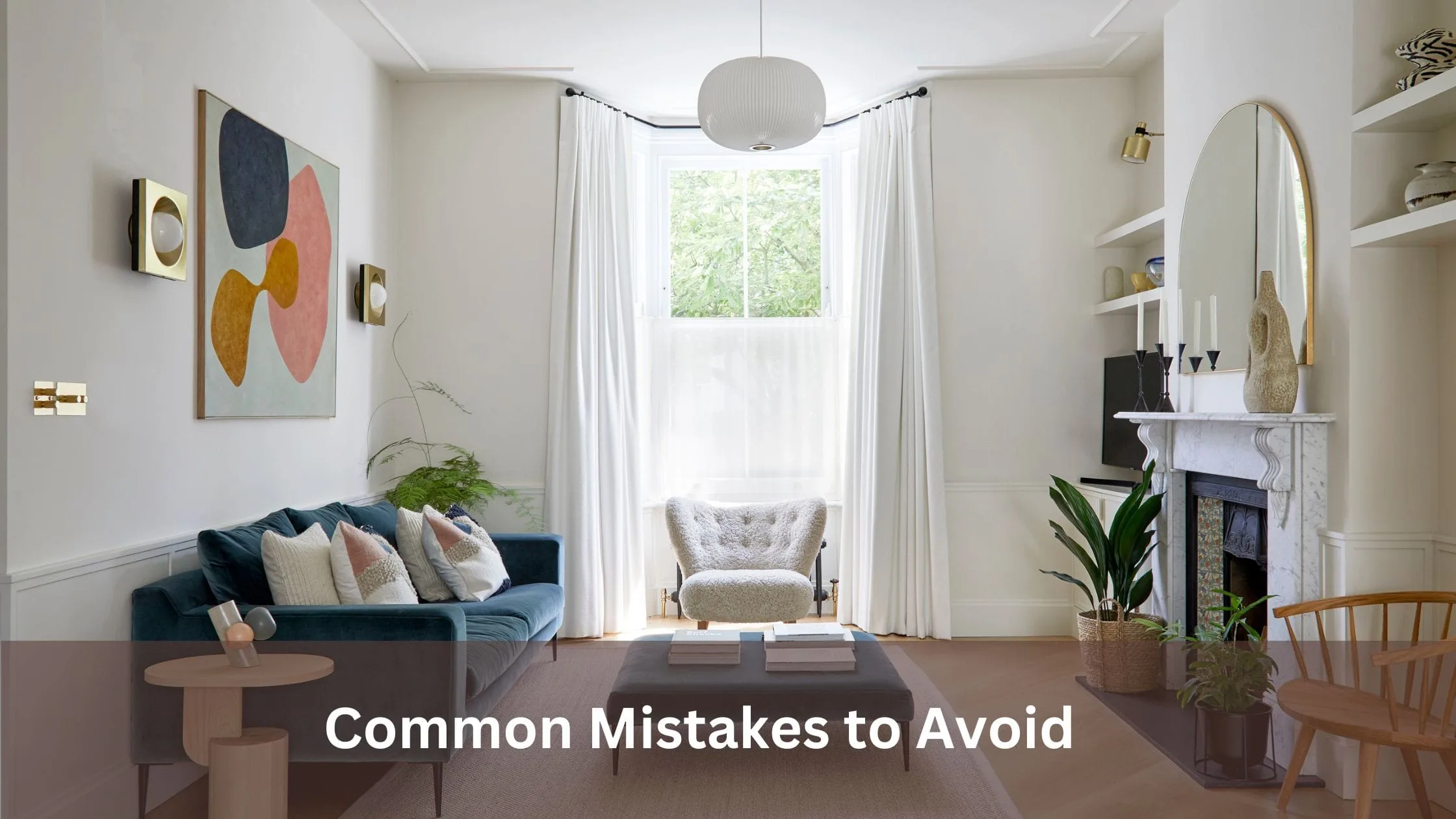
Avoiding common mistakes is crucial to achieving a cohesive and functional design when layering window coverings.
Here are key pitfalls to steer clear of:
- Overlapping Incompatible Styles: Mixing clash styles can result in a disjointed appearance. Ensure that your chosen window treatments complement each other in style, colour, and material. For example, pairing rustic wooden shutters with ultra-modern metallic blinds may create an awkward contrast.
- Ignoring Window Measurements: Incorrect measurements can lead to poorly fitting window coverings. Always measure your windows accurately, considering both the width and height—factor in the space needed for hardware and layering. Ill-fitting treatments can look unprofessional and impede functionality.
- Overcomplicating the Design: While layering can add depth and interest, overcomplicating the design with too many layers or patterns can overwhelm the space. Stick to a maximum of two to three layers and choose complementary colours and textures to maintain a balanced look.
- Forgetting to Coordinate with Room Decor: Your window treatments should enhance the overall room decor, not detract from it. Ensure your window coverings’ colours, patterns, and styles harmonise with your existing furnishings and colour scheme.
Maintenance and Care for Layered Window Coverings

Proper maintenance and care for layered window coverings are essential to ensure they remain beautiful and functional over time.
Here are vital tips to keep your window treatments in top condition:
- Regular Cleaning: Dust and dirt can accumulate on fabric and hard surfaces. Use a feather duster or a vacuum with a soft brush attachment to remove dust from blinds, shades, and shutters. Regular vacuuming or gentle shaking can prevent dust build-up for curtains and drapes.
- Spot Cleaning: For fabric layers, address stains promptly with spot cleaning. Use a mild detergent and a soft cloth to blot the stained area gently. Test the cleaning solution on a small, inconspicuous part of the fabric first to ensure it doesn’t cause discolouration.
- Deep Cleaning: Depending on the material, some curtains and drapes may be machine washable. Follow the manufacturer’s care instructions closely. Consider professional cleaning to avoid damage to more delicate fabrics or intricate designs.
- Maintaining Mechanisms: Ensure these mechanisms function smoothly if your layered window coverings include blinds or shades with moving parts, such as cords or pulleys. Periodically check for any signs of wear and tear and apply a silicone-based lubricant to keep them operating efficiently.
- Seasonal Checks: Perform seasonal maintenance to keep your window coverings in peak condition. For example, clean and inspect all layers before winter to ensure they are ready to provide optimal insulation. In spring, refresh the fabrics and check for any damage that may have occurred over the colder months.
- Re-adjusting and Aligning: Over time, curtains and drapes can shift or sag. Re-adjust and align them periodically to maintain a tidy appearance. Ensure the hardware remains secure and the coverings hang evenly.
Conclusion
Mastering the art of layering window coverings can transform your space into a stylish, functional haven.
Ready to elevate your home’s interior design? Contact Into Blinds Melbourne today to explore our wide range of window treatments and expert advice.
Achieve the designer look you’ve always wanted with our tailored solutions.